Wellness-Driven Homes: Designing Spaces That Support Calm, Comfort, and Everyday Living
2/10/20264 min read
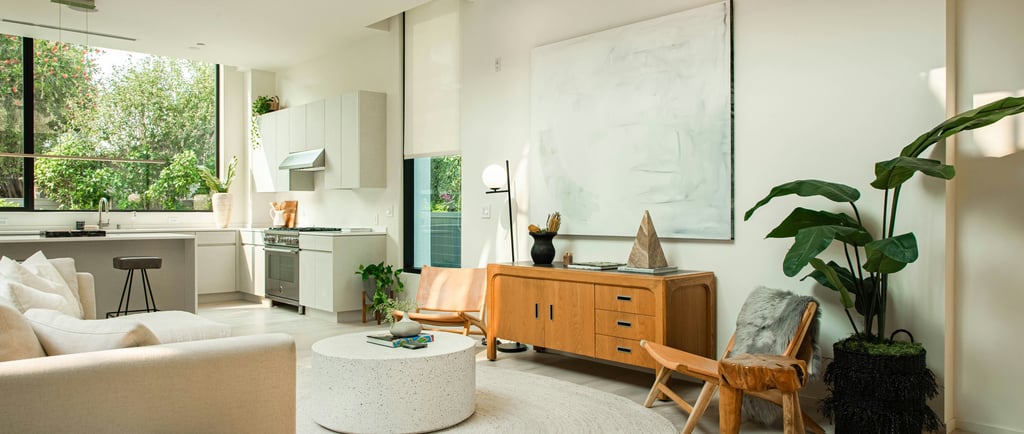
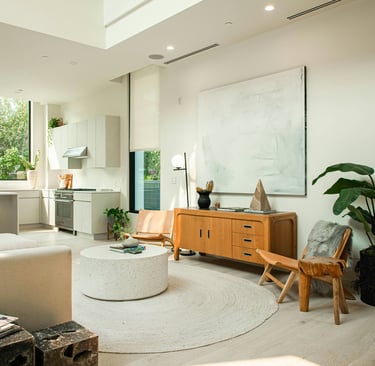
Welcome back to Adair Lane. Home is no longer just a place to land at the end of the day. More than ever, it’s where we rest, recharge, and find a sense of balance. This shift is why wellness-driven homes are becoming one of the most meaningful directions in modern interior design.
Rather than focusing on trends alone, wellness-driven design looks at how a space feels to live in. It prioritizes calm, comfort, and intention, creating rooms that gently support everyday wellbeing without feeling clinical or overly styled.
If you’re craving a home that feels peaceful, welcoming, and deeply livable, wellness-driven spaces offer a thoughtful place to begin.
What Wellness-Driven Homes Really Mean Today
Wellness-driven homes are designed with the rhythms of daily life in mind. They focus on creating environments that feel calming, restorative, and easy to exist in, not perfect or magazine-ready at all times.
This approach isn’t about turning your home into a spa or meditation retreat. Instead, it’s about making simple design choices that help your home feel more grounded and supportive. Wellness-driven rooms often rely on soft lighting, natural materials, warm tones, and thoughtful layouts that reduce visual noise.
At its core, wellness-driven home decor is less about adding more and more about choosing intentionally.
Why Wellness-Driven Design Is Becoming Essential
Modern life is busy, overstimulating, and often lived on screens. As a result, many people are looking for homes that counterbalance that energy rather than amplify it.
Wellness-driven homes respond to this need by offering calm, relaxing environments where the nervous system can settle. Peaceful interiors, cozy textures, and neutral palettes help spaces feel less demanding and more restorative.
This is why wellness-driven design resonates so strongly right now. It supports slow living, encourages better rest, and turns everyday routines into moments of ease rather than stress.
Natural Materials as the Foundation of Wellness-Driven Homes
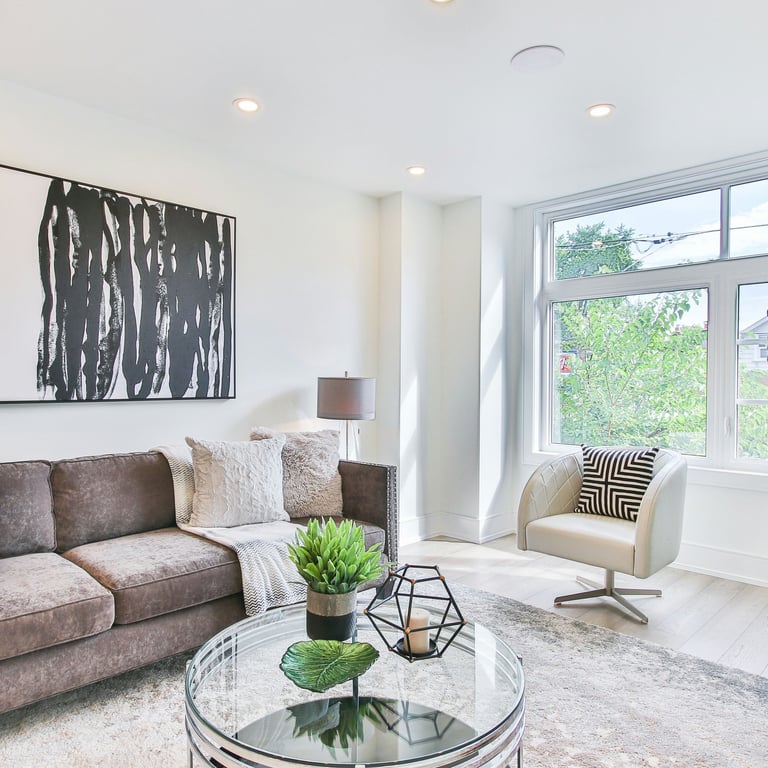
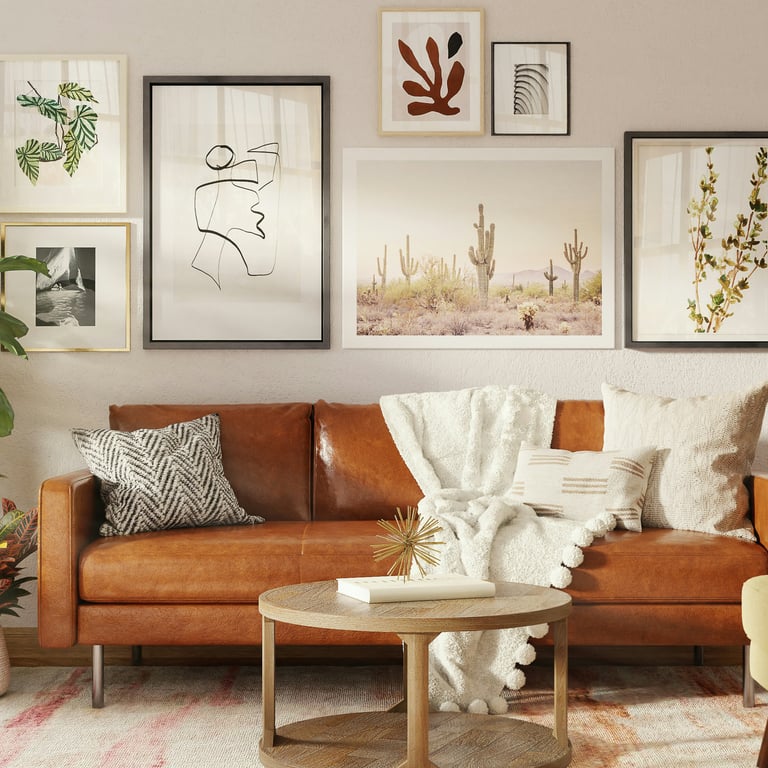
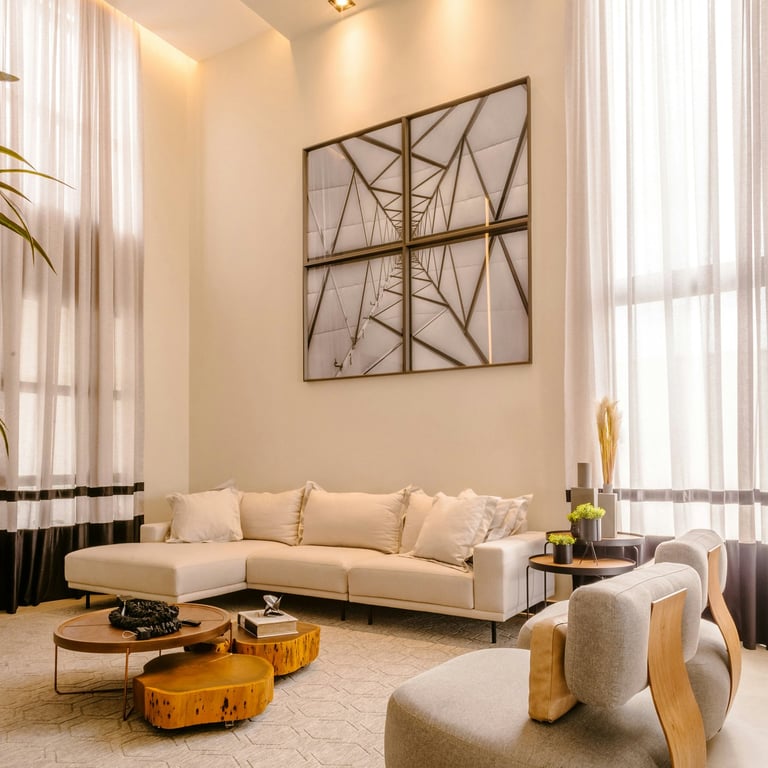
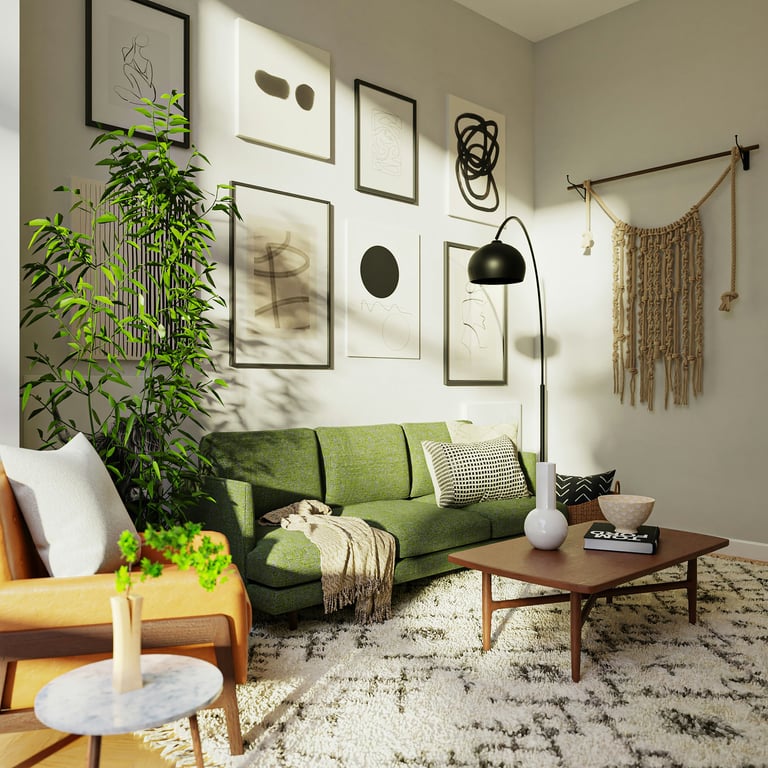
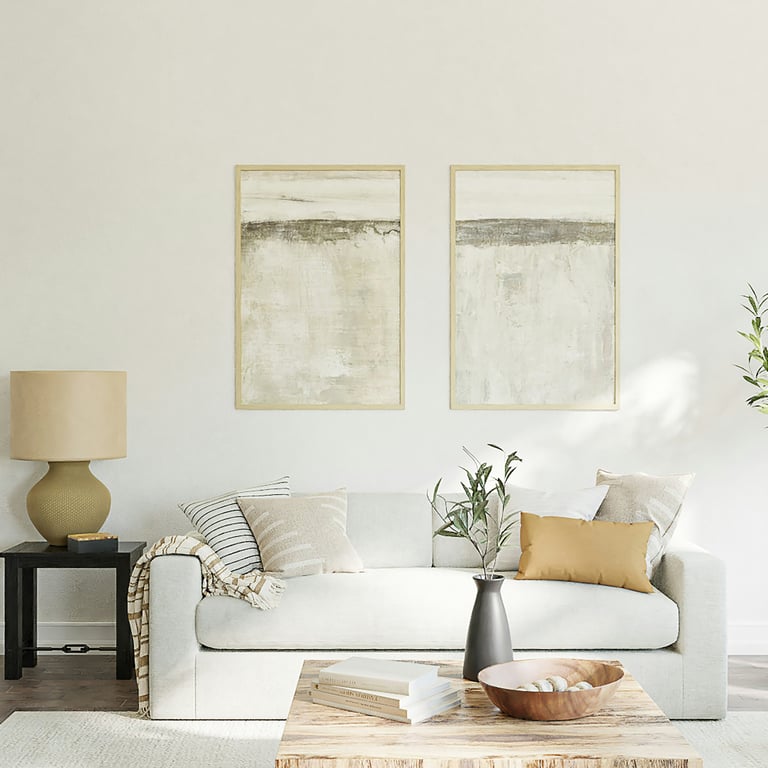
One of the most defining elements of wellness-driven homes is the emphasis on natural and organic materials. These materials bring warmth, texture, and an understated sense of comfort to a space.
Think linen curtains that soften the light, wood furniture with visible grain, stone or ceramic surfaces with subtle imperfections, and tactile fabrics that invite touch. Wellness-driven rooms often rely on texture rather than bold color or excessive decor to create depth.
Natural materials also age beautifully, which adds to the feeling of a home that is lived in and loved - not overly precious or fragile.
Lighting Choices That Shape Wellness-Driven Rooms
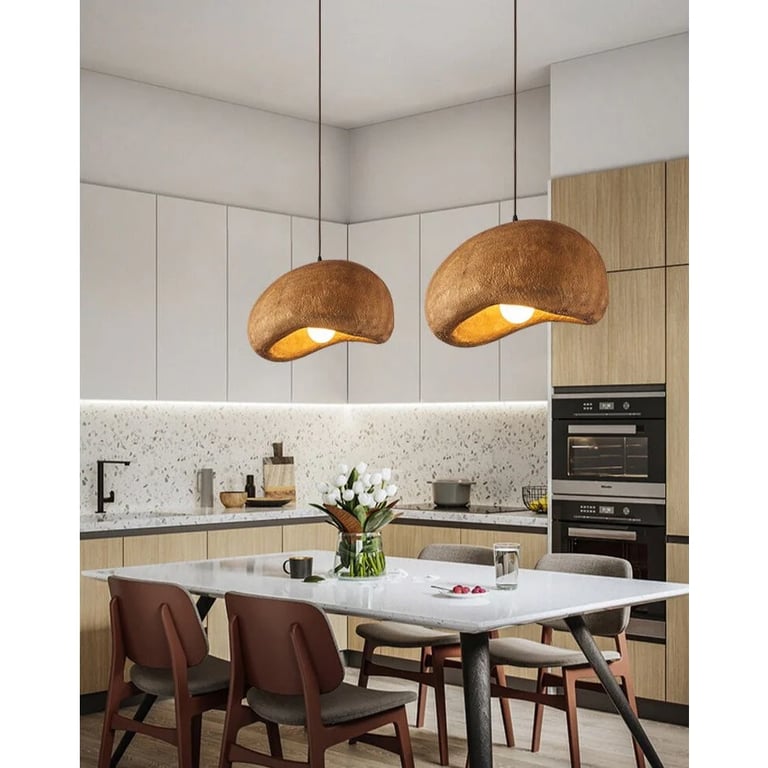
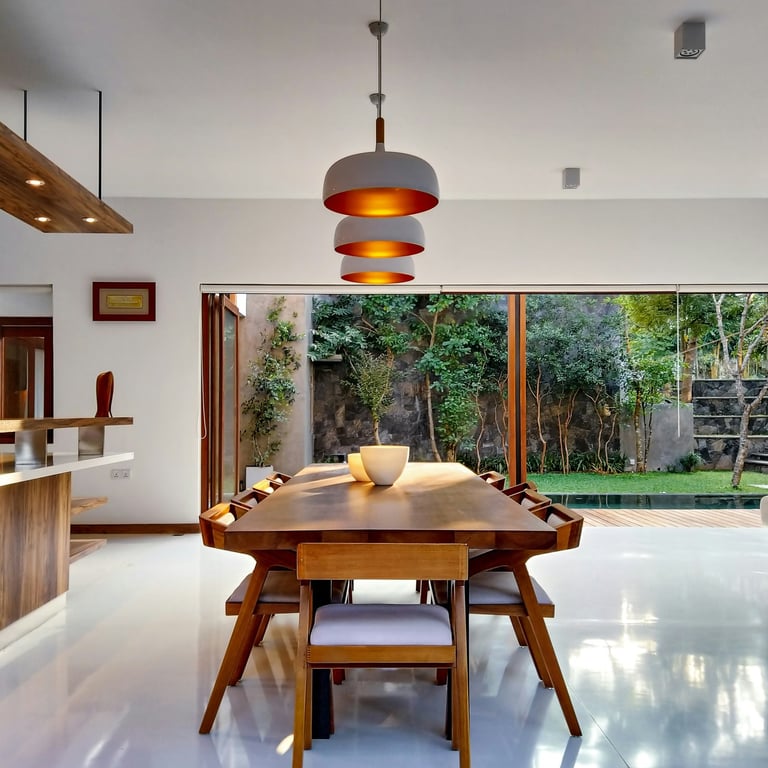
Lighting plays a powerful role in how a home feels. In wellness-driven rooms, harsh overhead lighting is replaced with softer, more layered options.
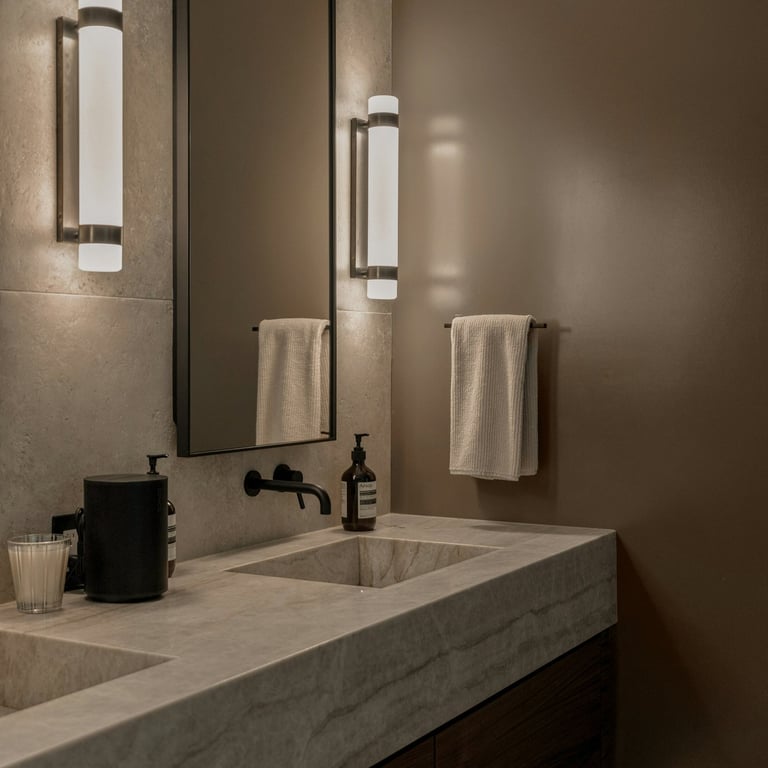
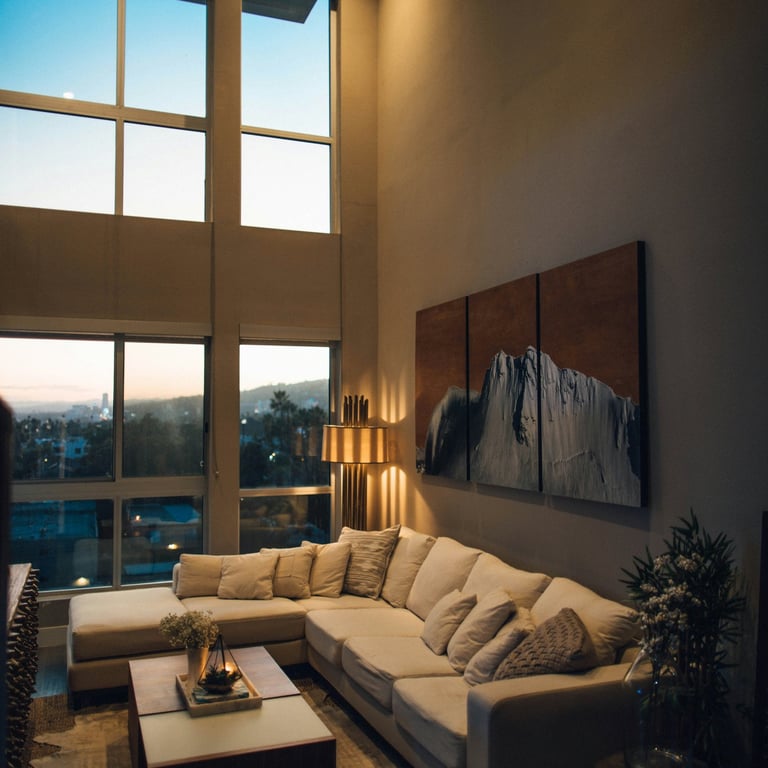
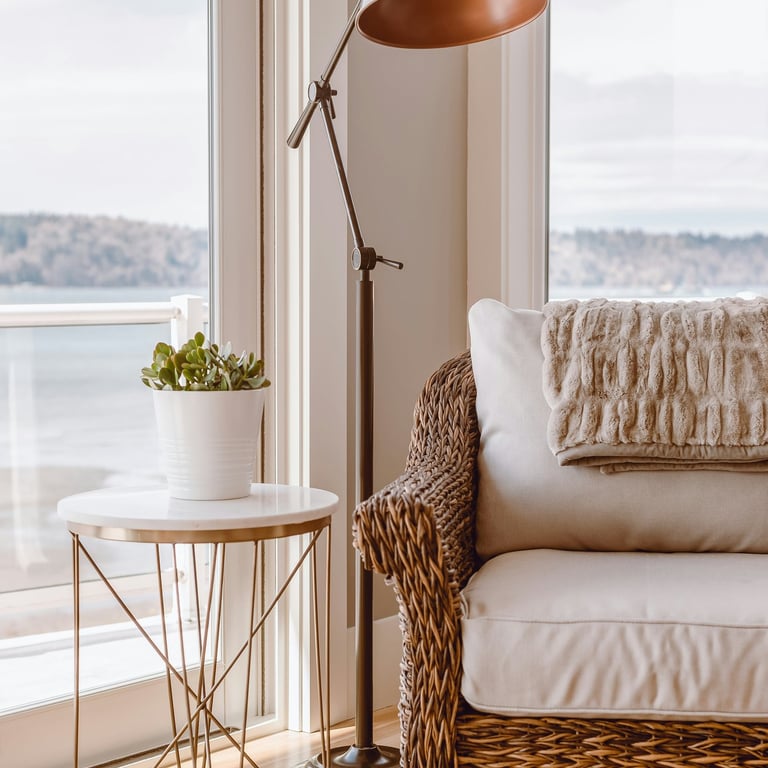
Table lamps, wall sconces, and gentle ambient lighting create a warm glow that feels calming and welcoming. Wellness-driven lighting focuses on supporting natural rhythms, brighter during the day, softer in the evening, helping rooms feel more aligned with rest and relaxation.
Even small changes, like switching to warmer bulbs or adding a secondary light source, can dramatically shift the mood of a space.
Wellness-Driven Bedrooms for Better Rest
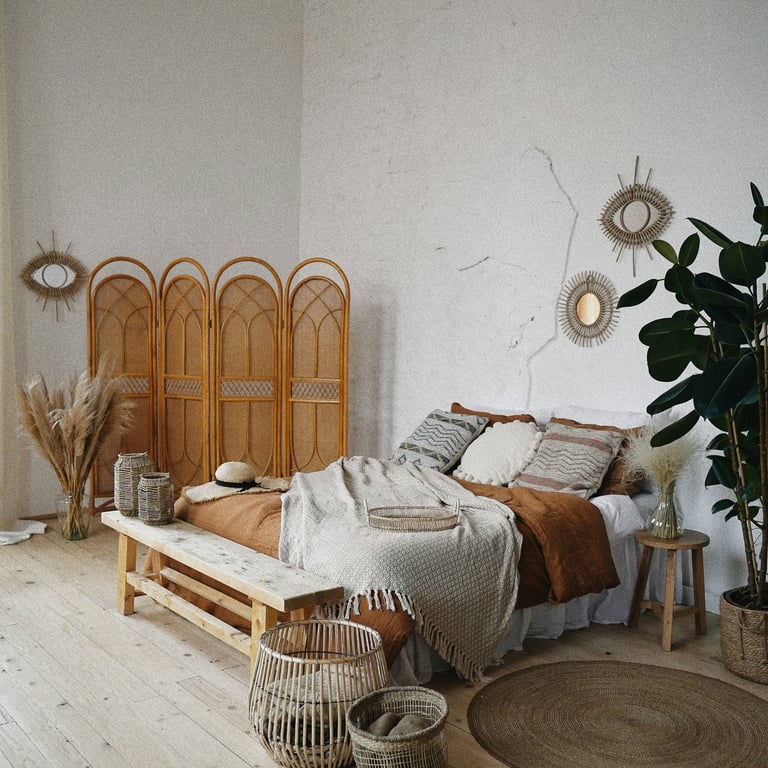
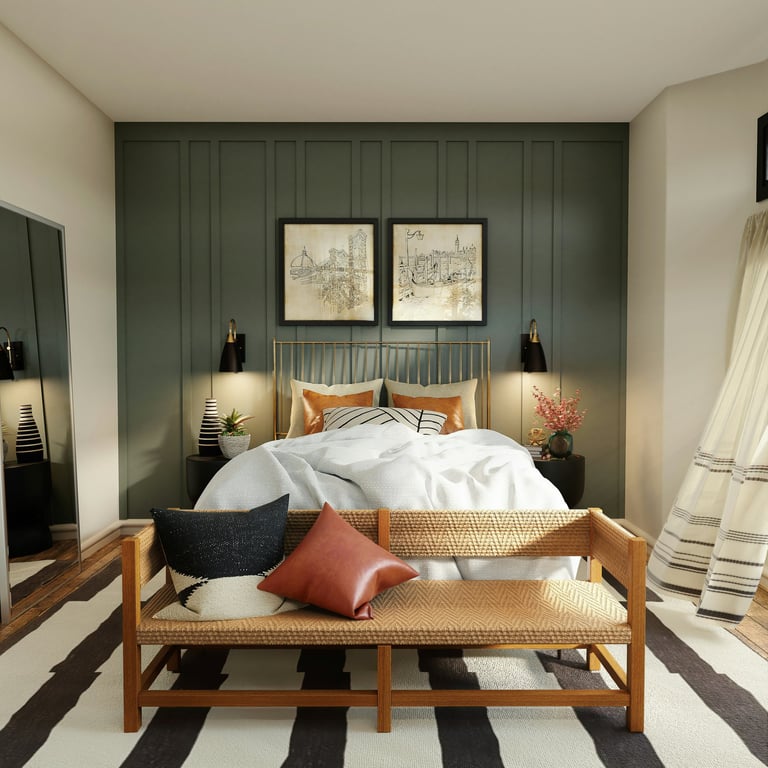
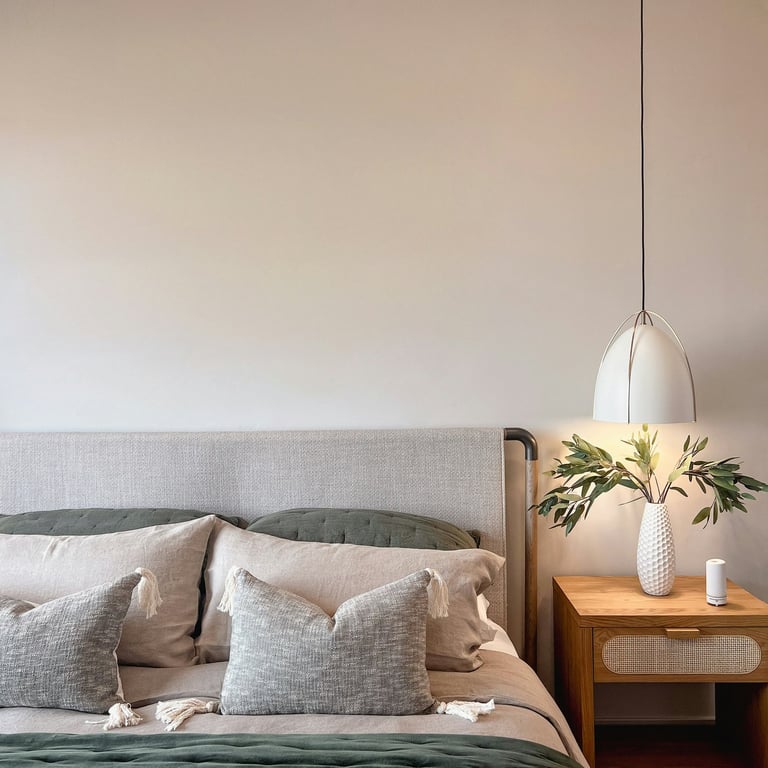
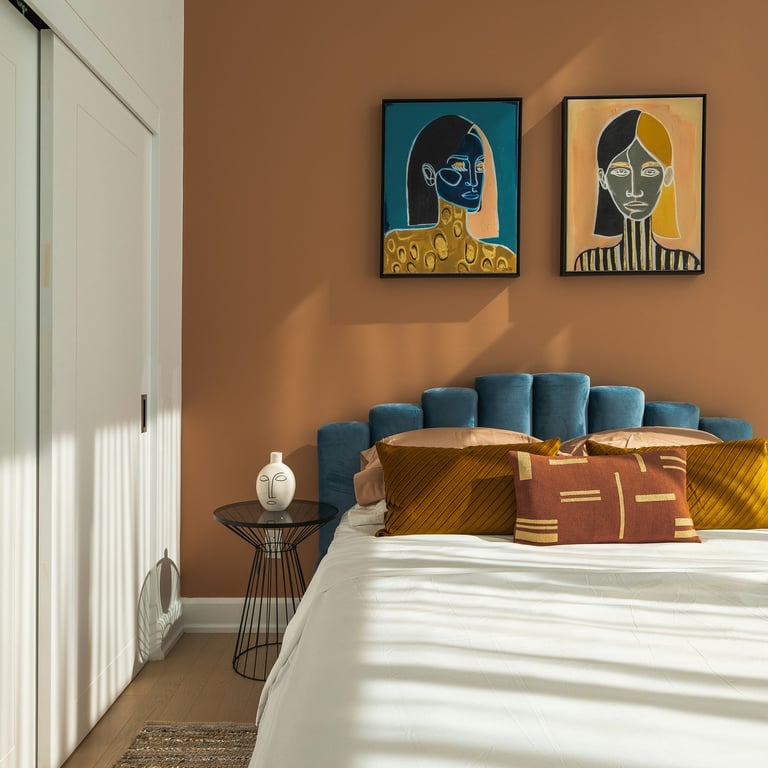
The bedroom is often the heart of a wellness-driven home. Since rest is essential to wellbeing, this space benefits the most from thoughtful, calming design choices.
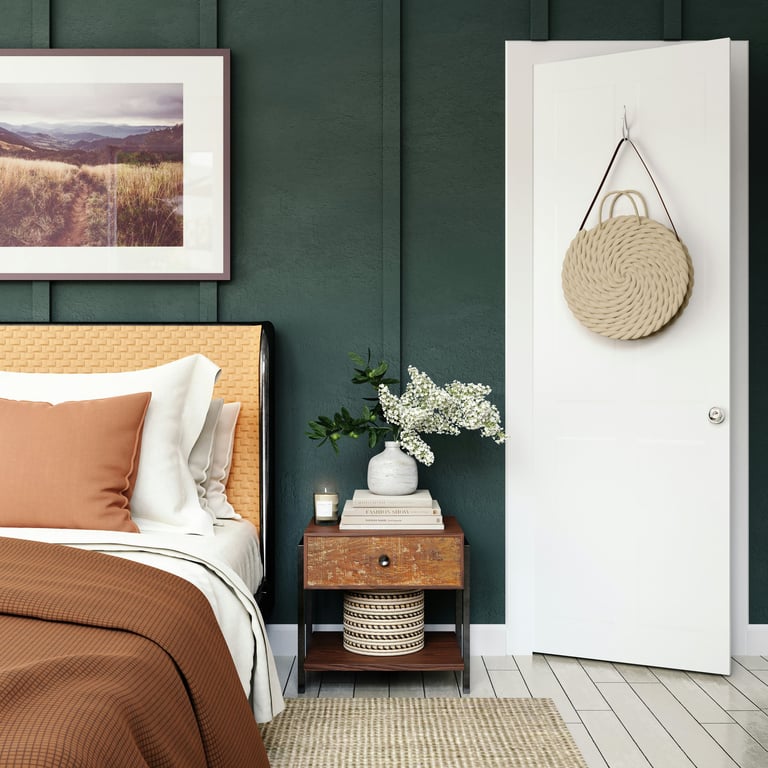
Wellness-driven bedrooms tend to feature neutral color palettes, cozy textures, and minimal visual clutter. Soft bedding, natural fabrics, and warm lighting help create an environment that encourages relaxation and sleep.
Rather than focusing on trends, wellness-driven bedroom decor prioritizes comfort and simplicity - creating a room that feels restful at any time of day.
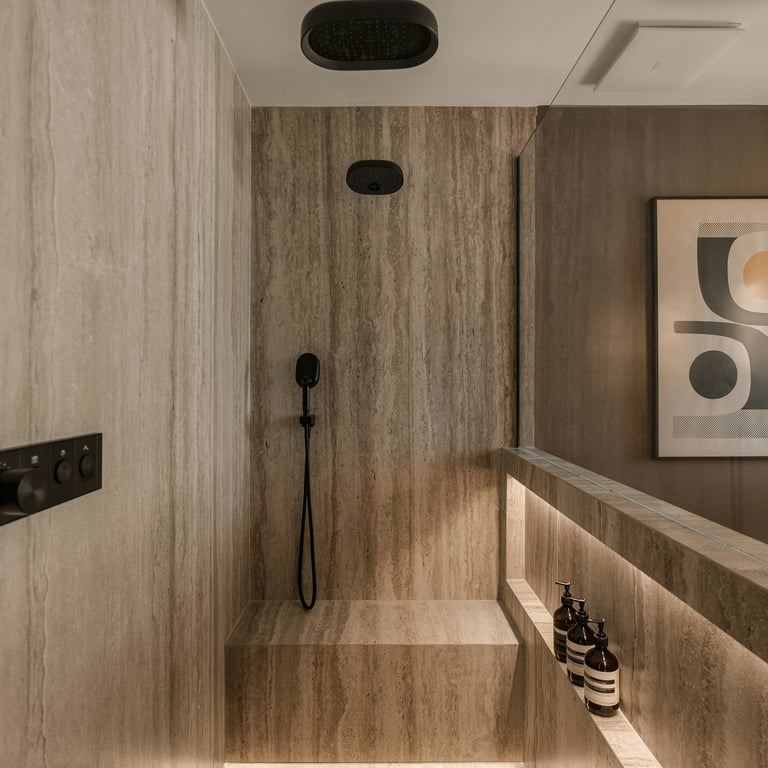
Spa-Like Wellness-Driven Bathrooms
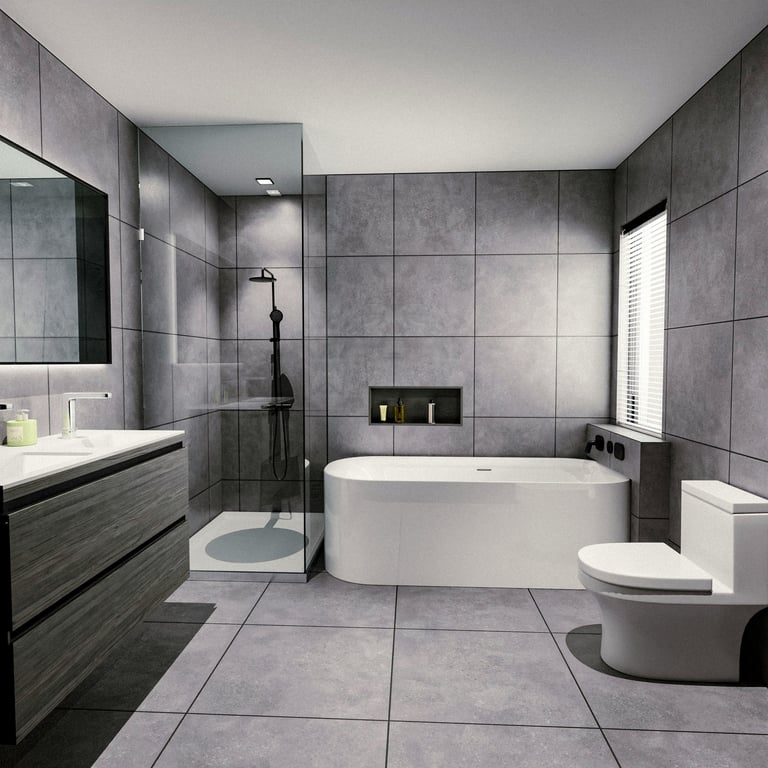
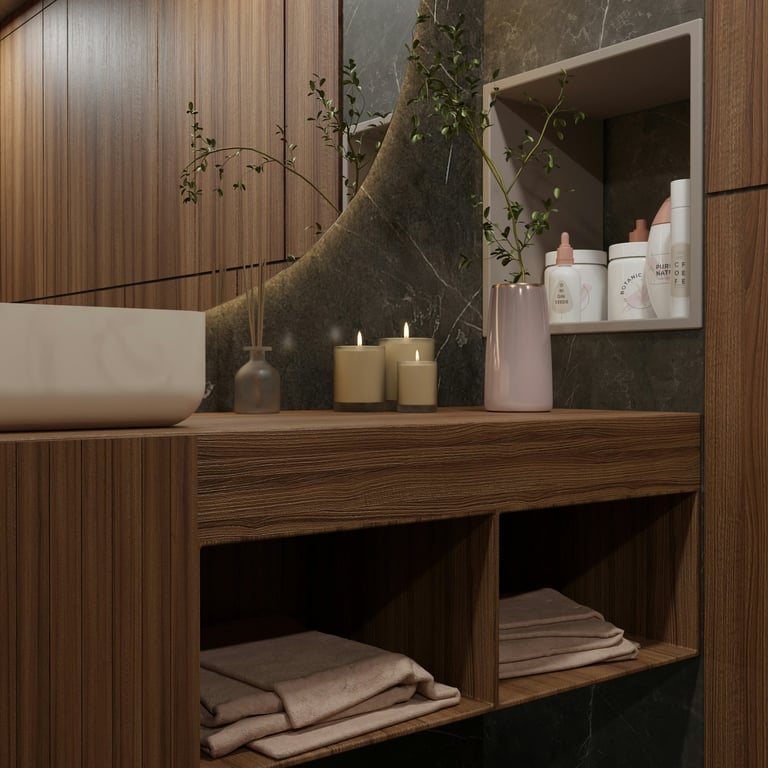
Bathrooms are another space where wellness-driven design can have an immediate impact. Creating a spa-like feel doesn’t require a renovation; it’s often about refining what’s already there.
Natural materials, warm lighting, and tactile accessories can transform daily routines into calming rituals. Wellness-driven bathrooms often feel uncluttered and serene, with an emphasis on softness and ease rather than luxury for luxury’s sake.
Simple updates like linen towels, ceramic containers, or gentle lighting can make the bathroom feel more restorative and intentional.
Creating Wellness-Driven Living Rooms
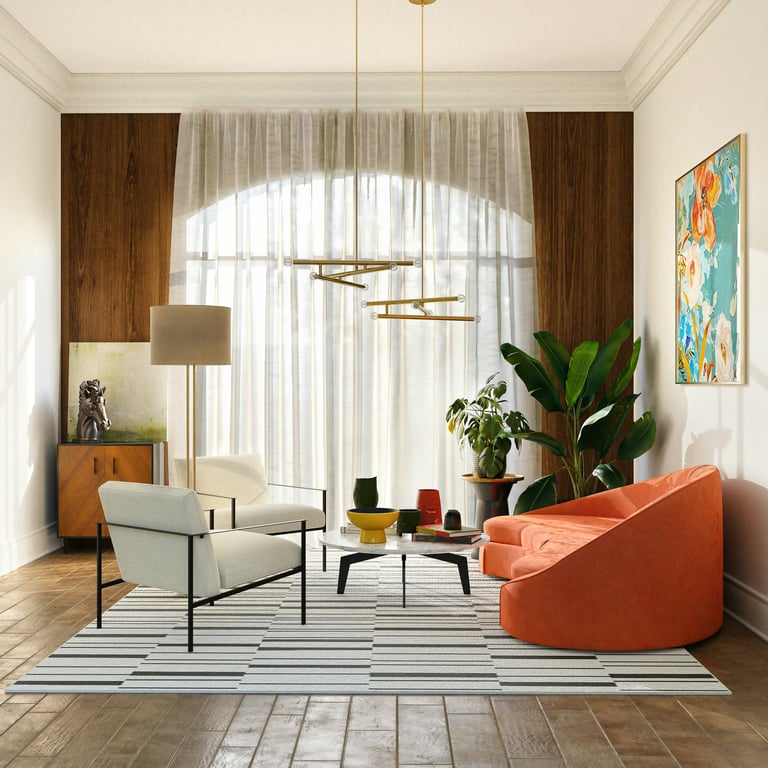
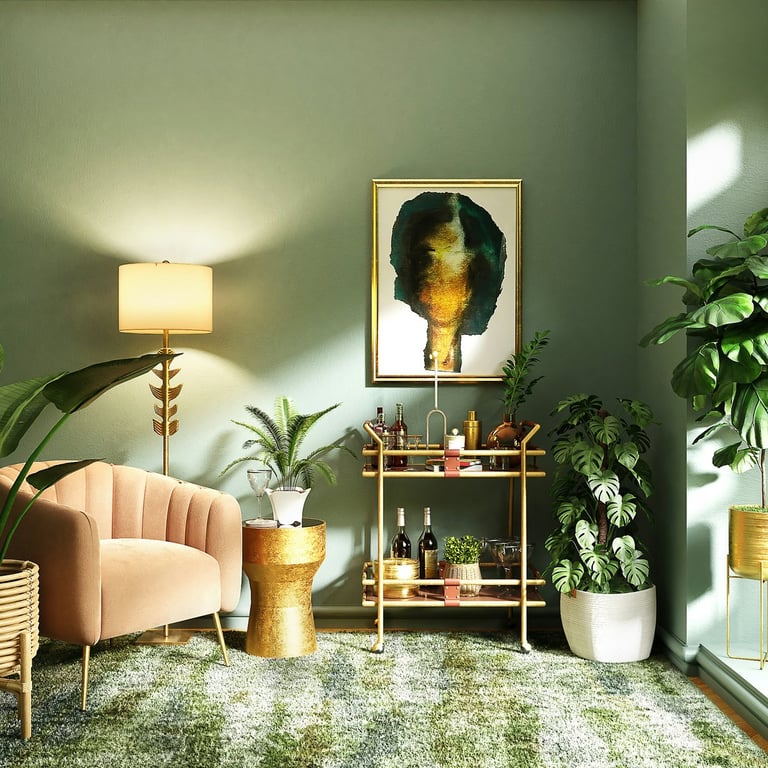
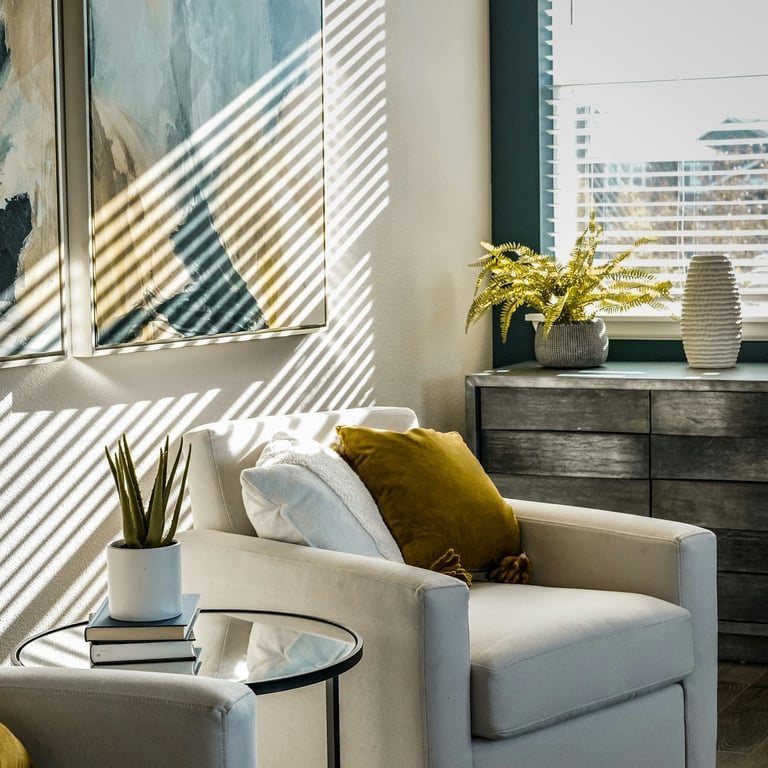
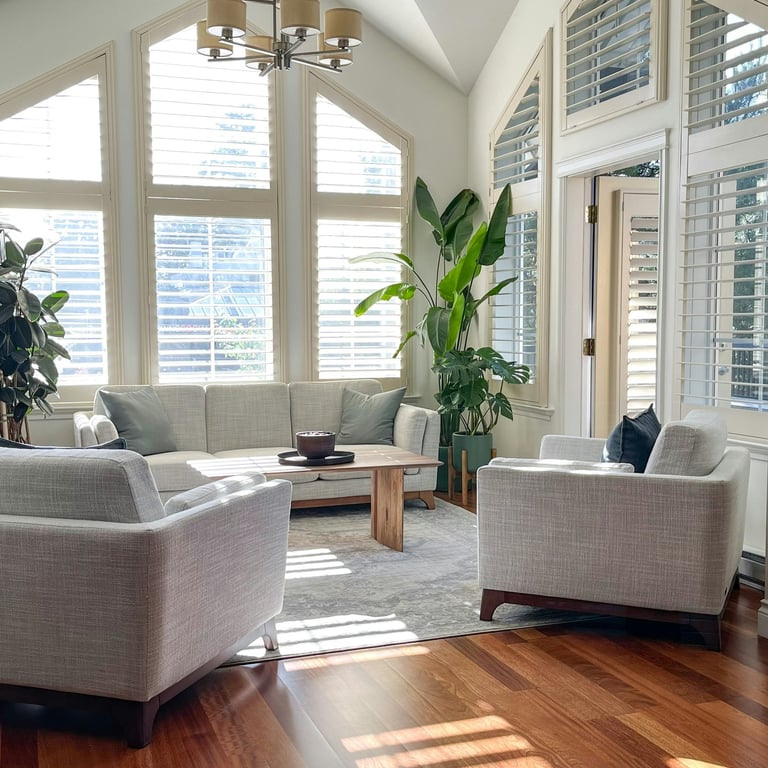
Living rooms designed with wellness in mind prioritize comfort and connection. These are spaces meant for unwinding, gathering, and slowing down.
Wellness-driven living rooms often feature cozy seating, layered textures, and warm tones that invite you to stay awhile. Instead of rigid layouts or overly styled shelves, the focus is on ease and balance.
By choosing pieces that feel comfortable and layouts that encourage relaxation, living rooms become spaces that support both mental and emotional wellbeing.
How to Start Creating a Wellness-Driven Home
Creating a wellness-driven home doesn’t require a full redesign or a long shopping list. The goal is to make intentional changes that support calm, comfort, and everyday ease.
Start with one room, not the entire home.
Choose a space you use daily, such as the bedroom or living room. Ask yourself how you want that room to feel - restful, cozy, peaceful, or grounding - and let that feeling guide every decision.
Reduce visual noise before adding anything new.
Wellness-driven homes often feel calm because they are visually simple. Clear surfaces, edit decor, and remove items that don’t serve a purpose or bring comfort. Less visual clutter helps the space feel more relaxing immediately.
Introduce natural textures instead of bold statements.
Swap shiny or overly sleek finishes for materials like linen, wood, ceramic, or wool. These natural textures add warmth and depth without overwhelming the room, making wellness-driven spaces feel soft and lived in.
Soften the lighting.
Harsh overhead lighting can make even a beautiful room feel uncomfortable. Add table lamps, floor lamps, or warm bulbs to create a gentle, layered glow. Lighting is one of the fastest ways to shift a room toward a wellness-driven feel.
Choose comfort over trends.
Wellness-driven home decor prioritizes how a space supports your daily life. Opt for seating you actually enjoy using, bedding that feels good against the skin, and layouts that allow you to move easily and relax fully.
Let the space evolve slowly.
Wellness-driven homes aren’t finished overnight. As your routines change, your space can change with you. Small, thoughtful adjustments over time create a home that feels aligned, personal, and genuinely supportive of wellbeing.
Final Thoughts
Wellness-driven homes are less about following rules and more about listening to your routines, your needs, and how your space makes you feel. By prioritizing calm, warmth, and thoughtful design, your home becomes a place that supports everyday wellbeing in the most natural way.
If your goal is a home that feels soothing, lived in, and quietly beautiful, wellness-driven spaces are a meaningful place to begin.
Stay Elevated.
The Adair Lane Team