Why Your Home Feels Busy (Even When It’s Clean)
3/29/20265 min read
You cleaned everything this morning.
Nothing is out of place. The surfaces are clear. It looks exactly the way it should.
And yet, the moment you sit down, something still feels off. Not messy, exactly. Just busy. Loud somehow, like your home is quietly asking for your attention even when you're trying to rest.
If you've ever felt this, you're not imagining it, and you're not doing anything wrong.
This is a different problem from physical clutter. Last week we looked at why your home feels messy even when it's clean, too many items visible, surfaces without intention. If you haven't read that yet, it's worth starting there.
This week is about something subtler: visual noise. And it's the reason beautifully decorated homes can still feel exhausting to live in.
The Difference Between Messy and Busy
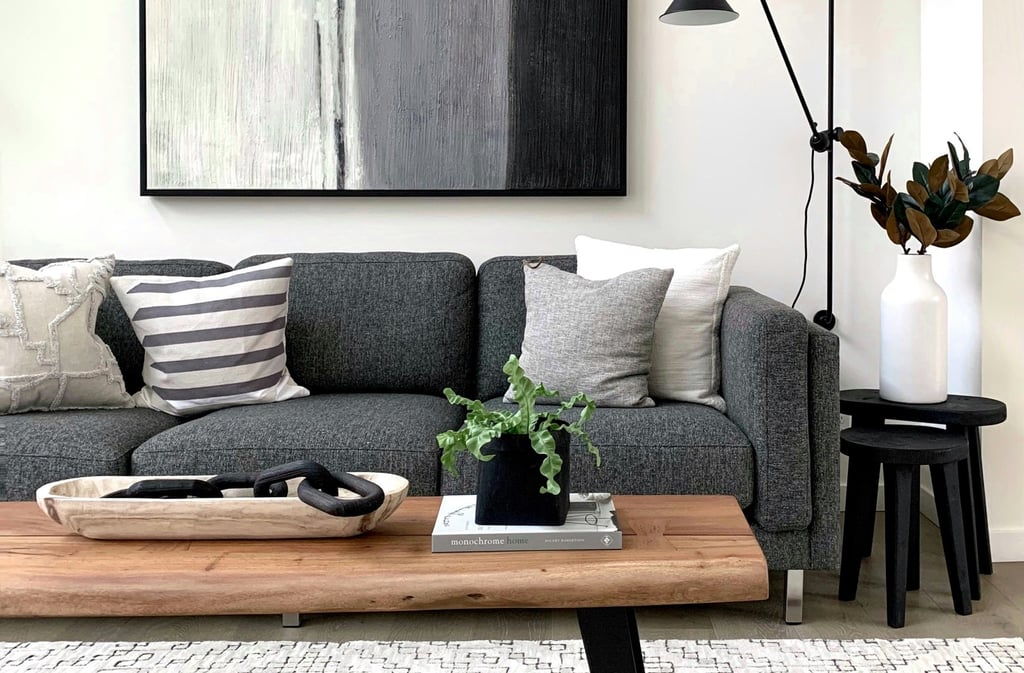
A messy home has too many things. A busy home has too much for your eyes to process.
These are not the same problem, which is why the same fix doesn't work for both.
You can remove every item from your countertops and still walk into a room that feels overwhelming, because the walls, the fabrics, the colors, and the shapes are all competing for your attention at once.
That competition is visual noise. And once you understand what it is, you'll start to see it everywhere.
What Visual Noise Actually Means
Visual noise isn't a design flaw. It's what happens when your eyes have no place to land.
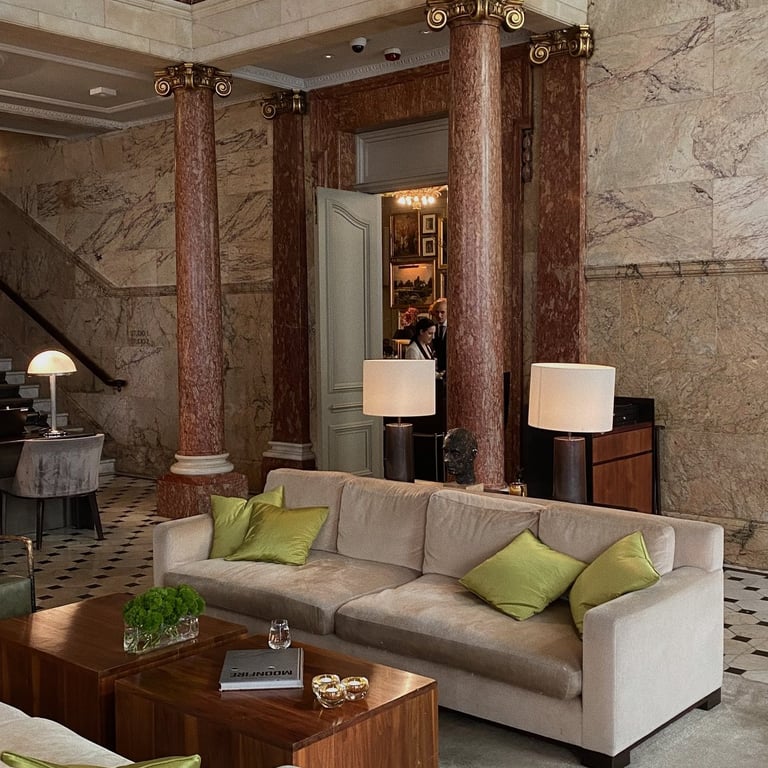
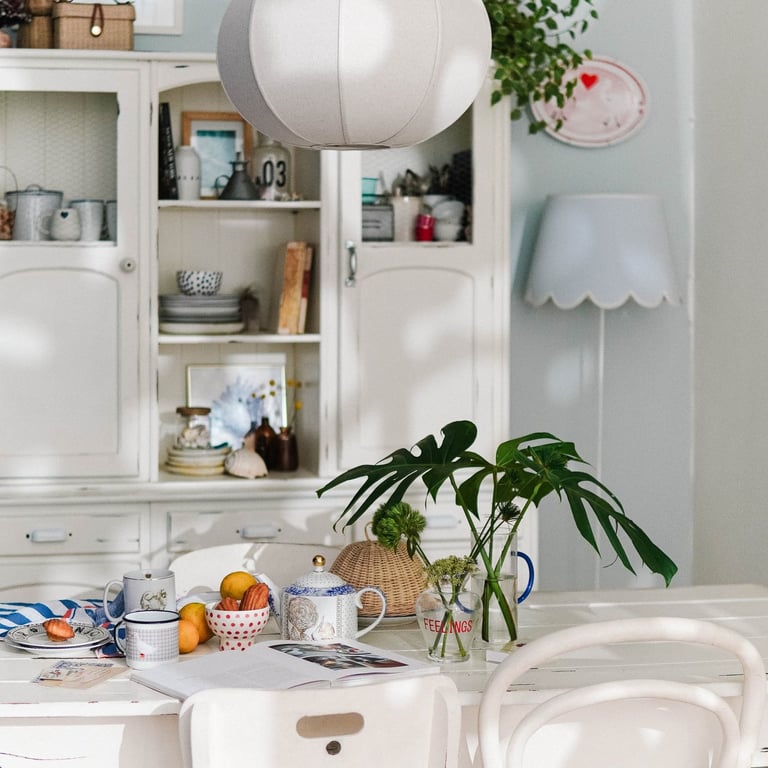
In a calm room, your gaze naturally settles somewhere: a sofa, a window, a single piece of art. Everything else supports that moment of rest.
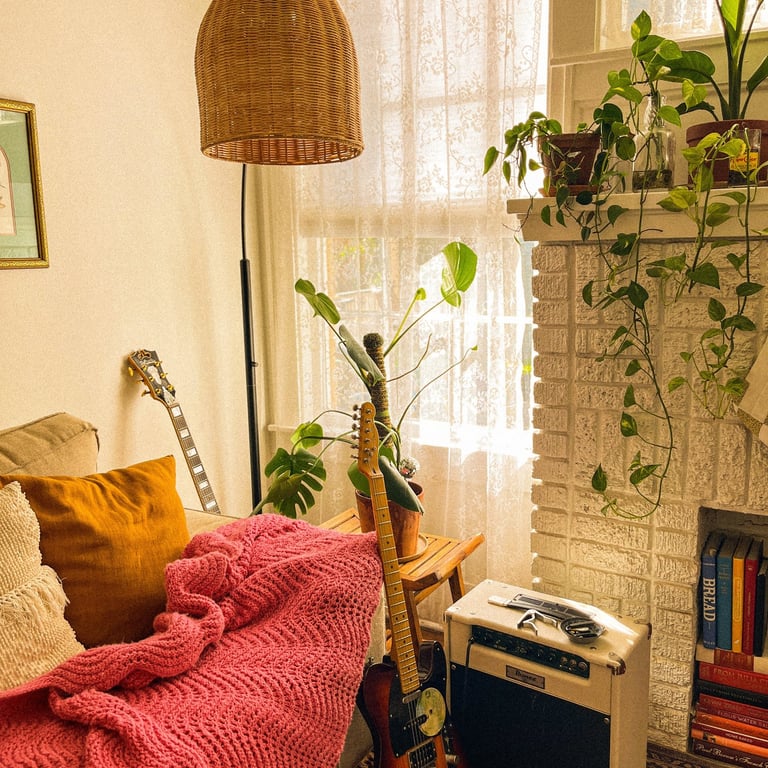
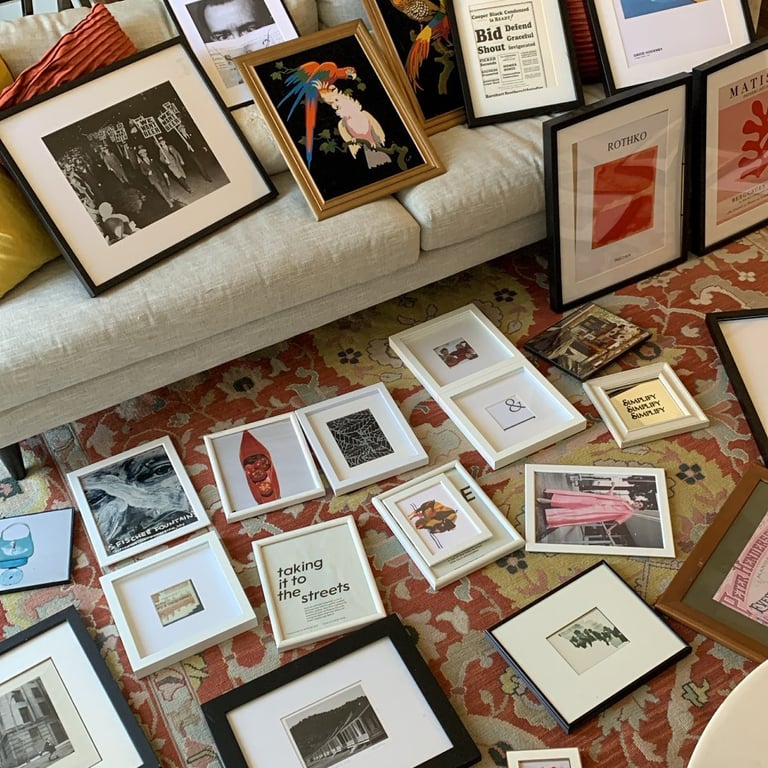
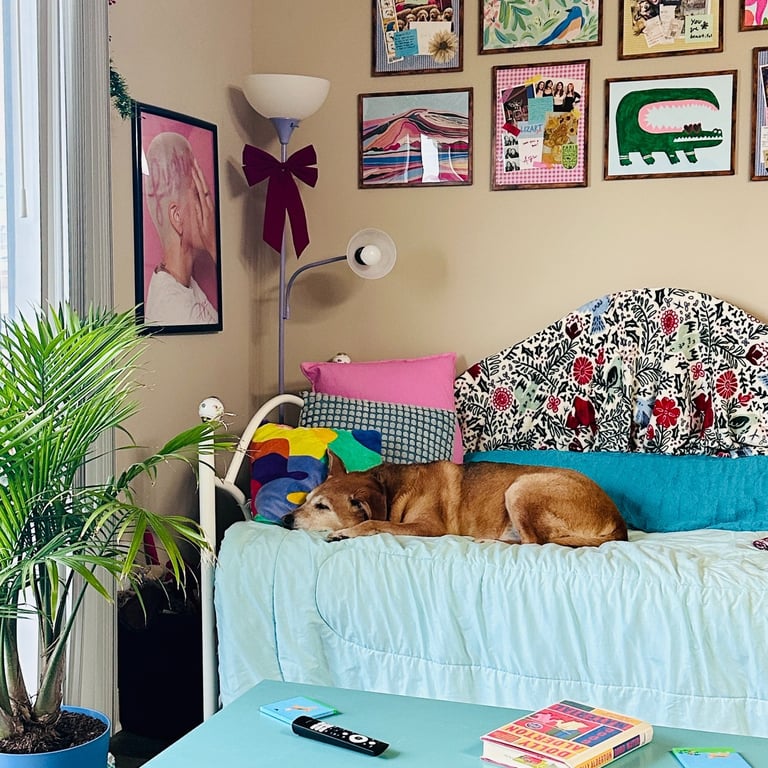
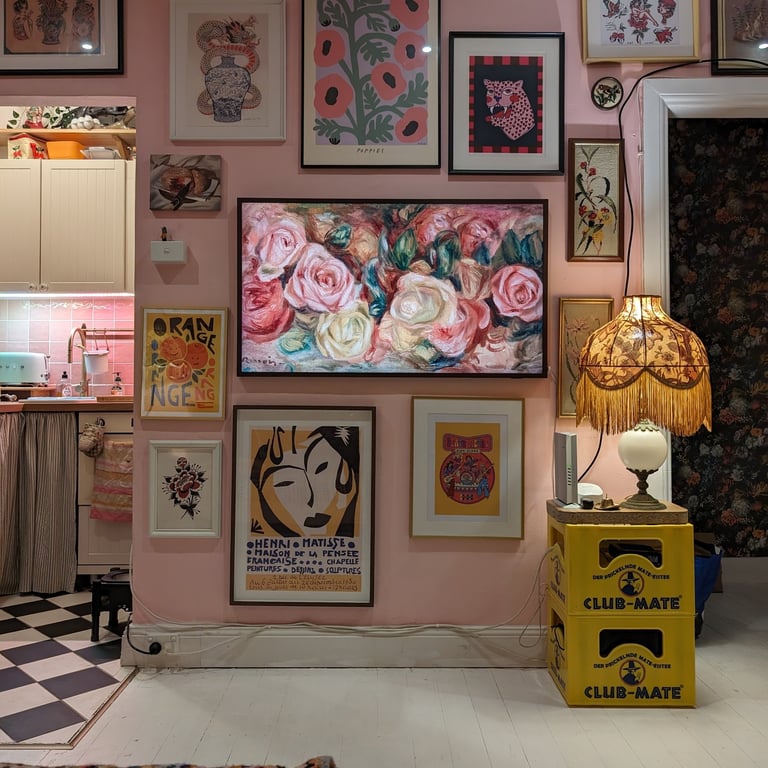
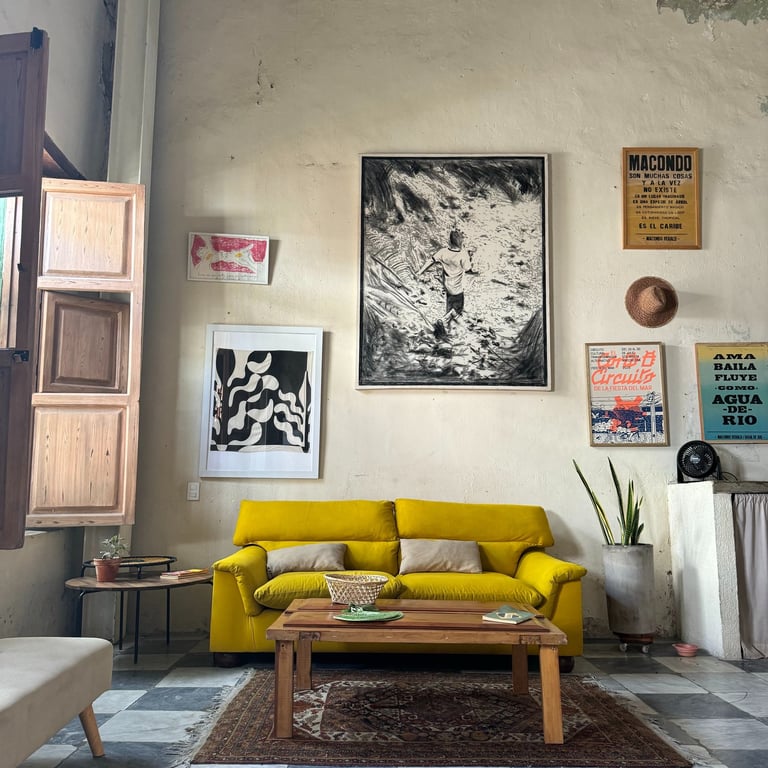
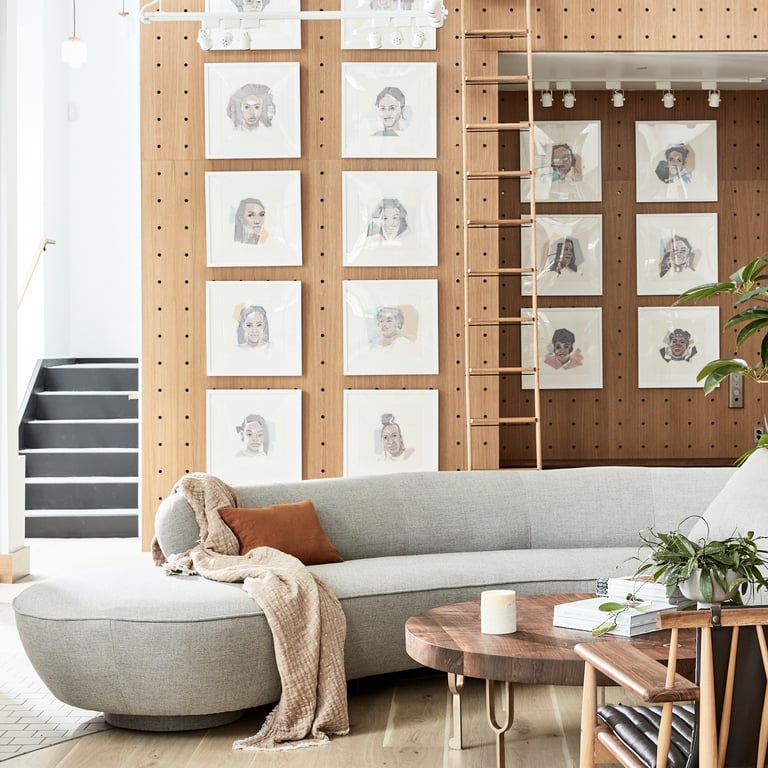
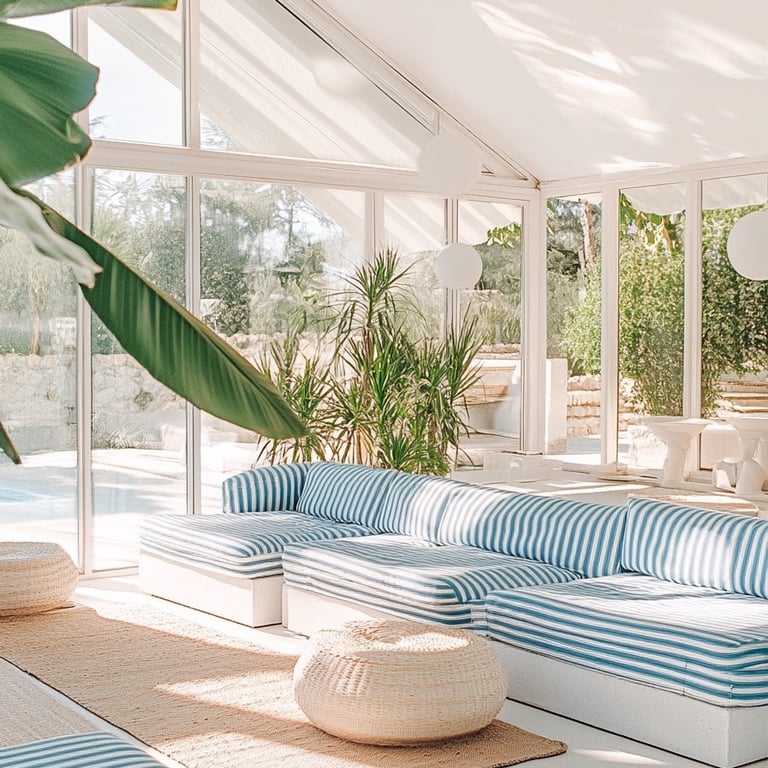
In a noisy room, your eyes move constantly. From the striped cushion to the patterned rug to the gallery wall to the three different wood tones to the warm lamp competing with the cool overhead light. Nothing is wrong with any of those individual choices. But together, they create a space that never lets you fully exhale.
This is why you can stand in a styled, organized, beautiful home and still feel vaguely unsettled. Your brain is working harder than it should to make sense of what it sees.
Four Things That Create Visual Noise
(Without You Realizing)
1. Too many colors competing
This doesn't mean you need a monochrome home. It means that when every element, cushions, throws, artwork, plants, ceramics, is a different tone or level of contrast, your eyes can't decide where to focus.
The fix is simpler than a full repaint: choose 2 to 3 main tones and repeat them throughout the room. When the same warm beige appears in the rug, the cushions, and the curtains, the room reads as one cohesive thing rather than a collection of separate decisions.
2. Too many textures layered together
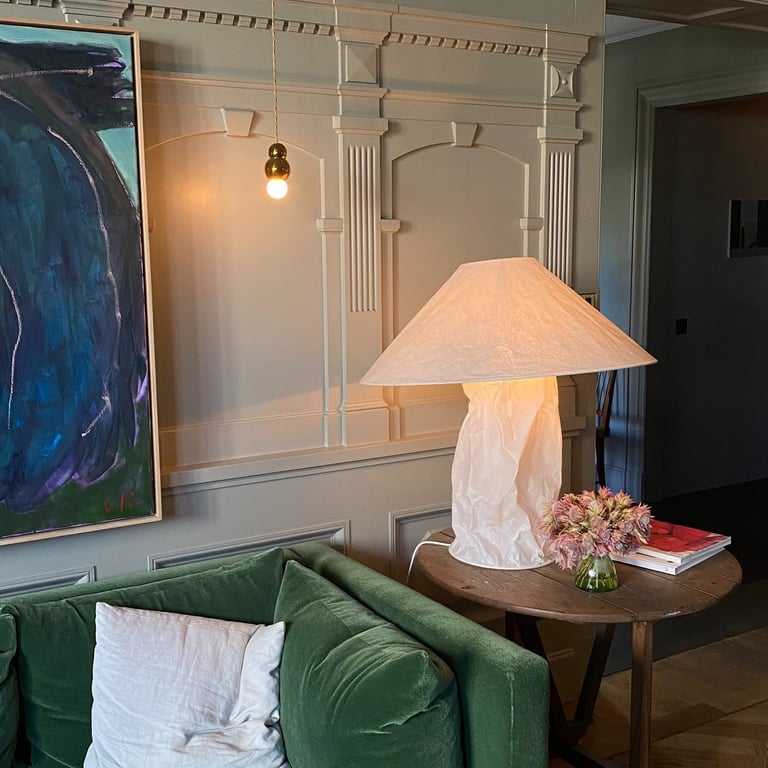
Texture is one of the most beautiful tools in home styling, and one of the easiest to overdo. A linen sofa, a chunky knit throw, a woven rug, a velvet cushion, a rattan side table, and a ceramic vase are all individually beautiful. Together, they create a visual heaviness that makes a room feel busy even when it's completely tidy.
A useful rule: limit yourself to three textures per room as your anchor materials. Everything else should be secondary and quiet.
3. No clear focal point
Every room needs one thing that says: look here.
Without a focal point, your eyes scan continuously, which is mentally tiring. It's the visual equivalent of walking into a conversation where everyone is talking at the same volume.
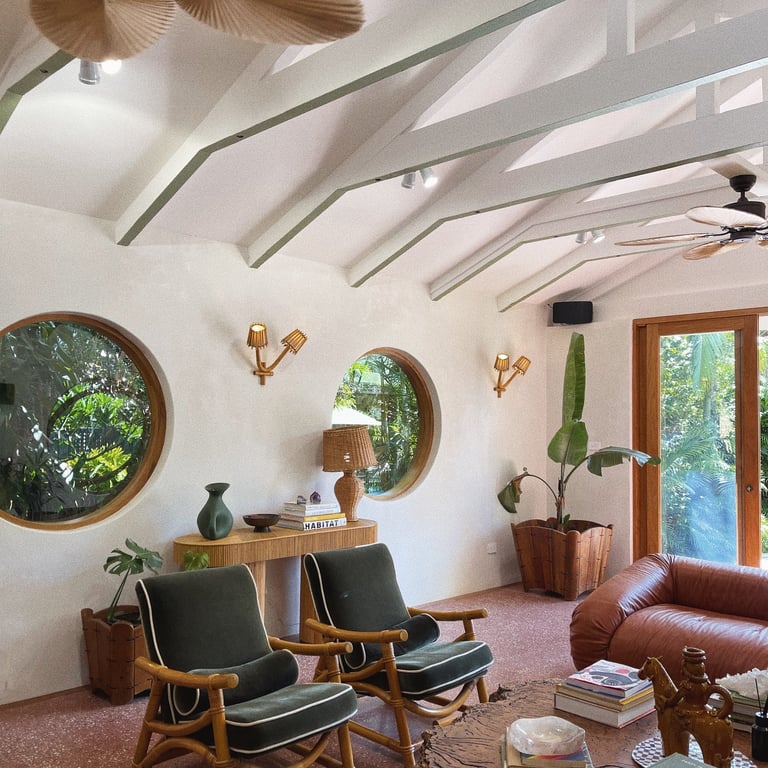
A focal point doesn't need to be dramatic. It might be your bed, your sofa, a large piece of art, or a window with a view. Once you identify it, the job of everything else in the room is to support it quietly, not compete.
4. Too much variety without repetition
Repetition is what gives a room rhythm. When you use the same material, shape, or color more than once, the eye starts to feel at ease, it recognizes a pattern and can relax into it.
When every object is different, with a different material, different finish, different scale, the room feels disconnected. Not because anything is wrong, but because there's no visual thread tying it together.
The easiest way to introduce repetition: pick one material and use it in at least three places. Wood, ceramic, linen. It doesn't matter. Repetition reads as intention.
How to Reduce Visual Noise Without Starting Over
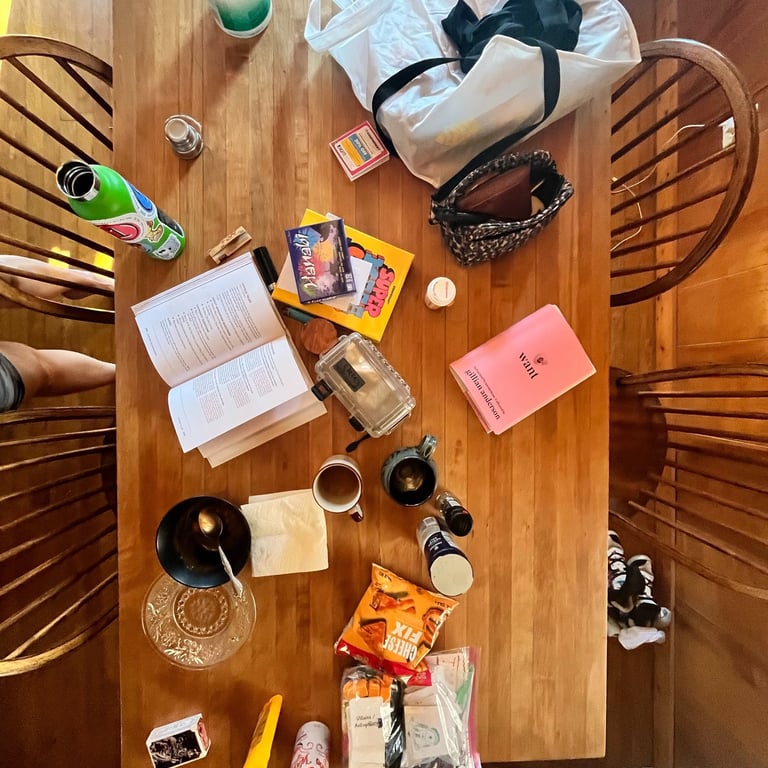
Start by identifying what's competing. Stand in the doorway of the room and look at it as if you're seeing it for the first time. Where does your eye go first? Where does it go next? If it moves to five different things in the first few seconds, those competing elements are your starting point.
You're not looking for what's ugly. You're looking for what's loudest.
Remove before you rearrange
Take out the two or three things that feel like they're competing the most. Don't replace them. Just see what the room feels like with less. More often than not, the answer is already there. It just needed less around it.
Simplify your palette in one area first
You don't have to repaint or recover your furniture. Start with one surface, a shelf, a coffee table, or a console, and reduce it to 2 to 3 tones only. Live with it for a week. This single change often has an outsized effect on how calm the whole room feels.
Find your focal point and clear around it
Identify the one thing in the room that should hold the most attention. Then look at what's surrounding it. Is anything competing for the same level of attention? If so, dial those things back: smaller scale, quieter color, simpler form.
The focal point doesn't need to be louder. Everything else needs to be quieter.
The 5-Minute Reset for a Busy Room
Save this for the next time your space feels overwhelming:
Remove the two or three things that feel loudest: a cushion, a decorative object, a throw
Clear the area around your room's natural focal point
Group what remains into simple clusters of similar tone or material
Step back and look from the doorway
Stop before you add anything new
This takes five minutes and consistently makes a room feel calmer. Not because you've improved it. You've quieted it.
A Simple Checklist to Save
Rules for reducing visual noise at home:
Limit your palette to 2 to 3 main tones per room
Choose 3 anchor textures. Let everything else be secondary
Identify one focal point per space and clear around it
Repeat one material in at least 3 places to create visual rhythm
When a room feels off, remove before you add
Leave some areas empty. Space is not wasted, it is restful
What Changes When You Reduce Visual Noise
You don't feel the difference the way you notice a new piece of furniture. It's quieter than that.
The room just starts to feel easier to be in. You sit down and don't feel the urge to fix anything. You stop noticing the space and start noticing how you feel in it.
That's the point of a calm home. Not that it looks perfect, but that it stops competing for your attention.
Where to Start Today
You don't need to address every room at once. Pick the space where you spend the most time and find the one thing that feels loudest. Remove it. See what happens.
That's the beginning of a quieter home, and it takes less than ten minutes.
Next week, we'll look at why your home feels unfinished, and why the instinct to keep adding is usually the thing holding it back.
Stay Elevated,
The Adair Lane.