Why Your Home Still Feels Messy Even After Decorating
1/26/20263 min read
Welcome back to Adair Lane. You’ve put real thought into your home.
The colors work together.
The furniture feels right for the space.
The decor is layered, neutral, and warm.
And yet, something still feels off.
Not messy in the obvious way - not dirty or chaotic - but busy. Like your eye never quite gets a break. Like the space looks nice, but doesn’t feel as calm as you hoped it would.
This happens often in well-decorated homes. And the reason is simple: decorating and organizing aren’t the same thing. Decorating shapes the look of a home and organizing supports how that home feels and functions day to day.
When organizing is treated as an afterthought, even beautiful spaces can feel unsettled. Creating a calm home isn’t about adding more. It’s about removing visual friction and being intentional with what stays in view.
Visual Clutter vs. Visual Calm
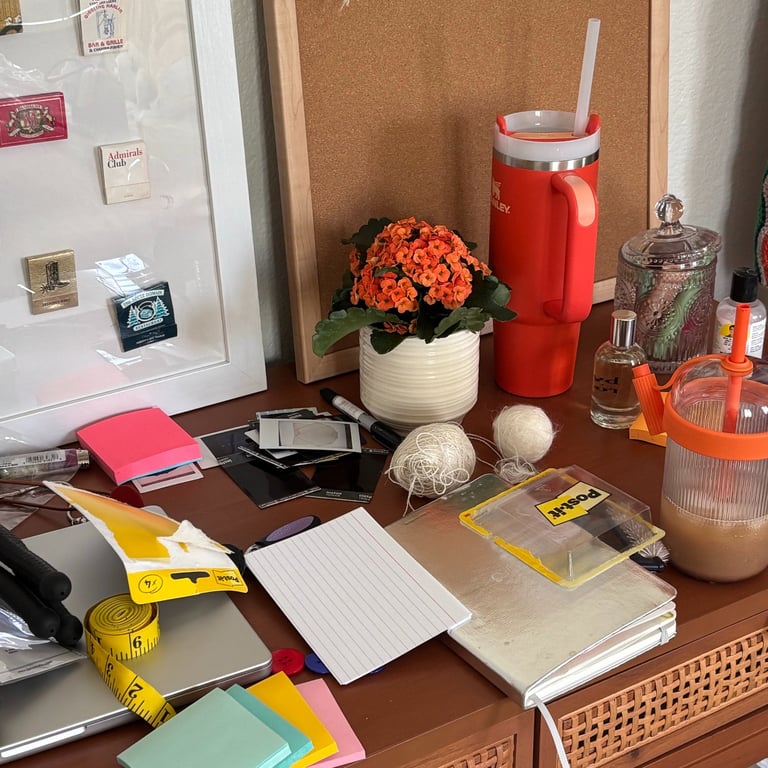
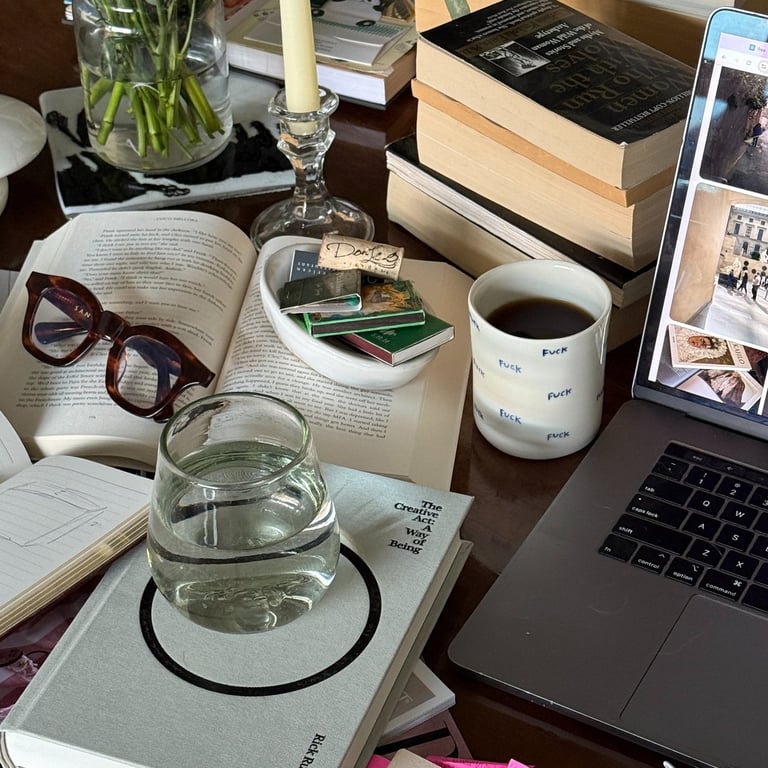
A home can be tidy and still feel overwhelming. That’s because what we’re often reacting to isn’t clutter - it’s visual clutter.
Visual clutter shows up when:
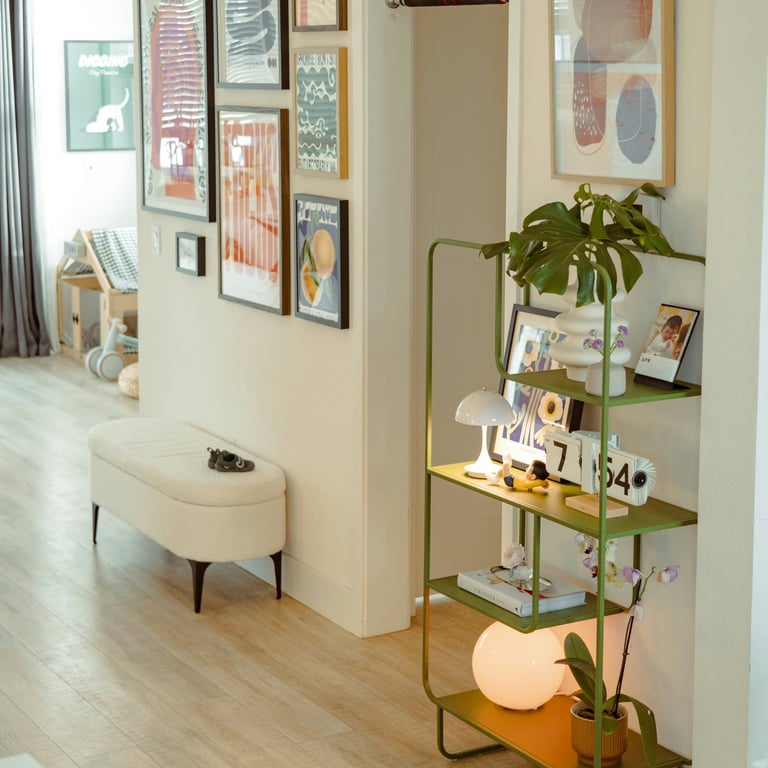
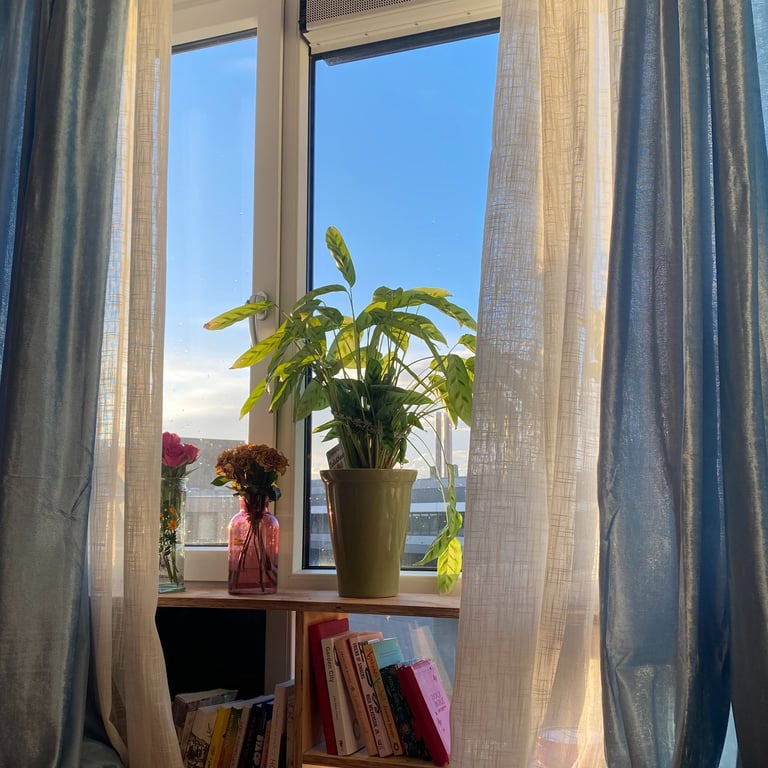
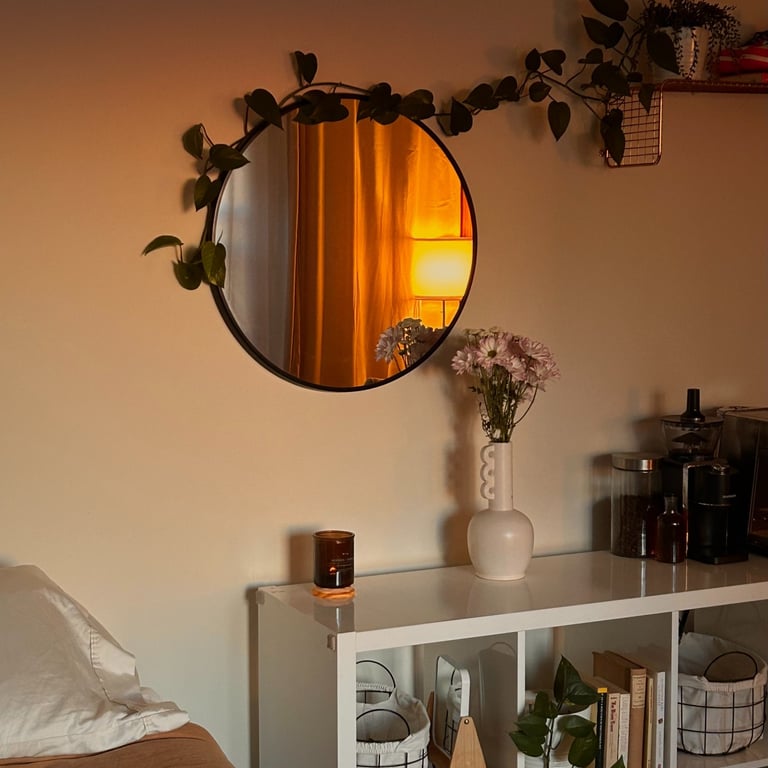
There are too many small items spread across surfaces
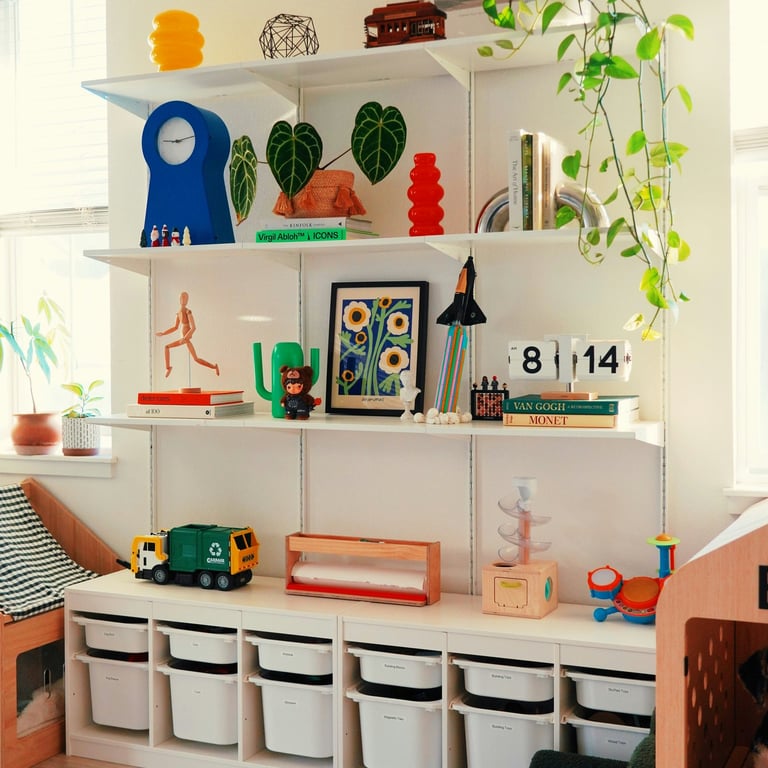
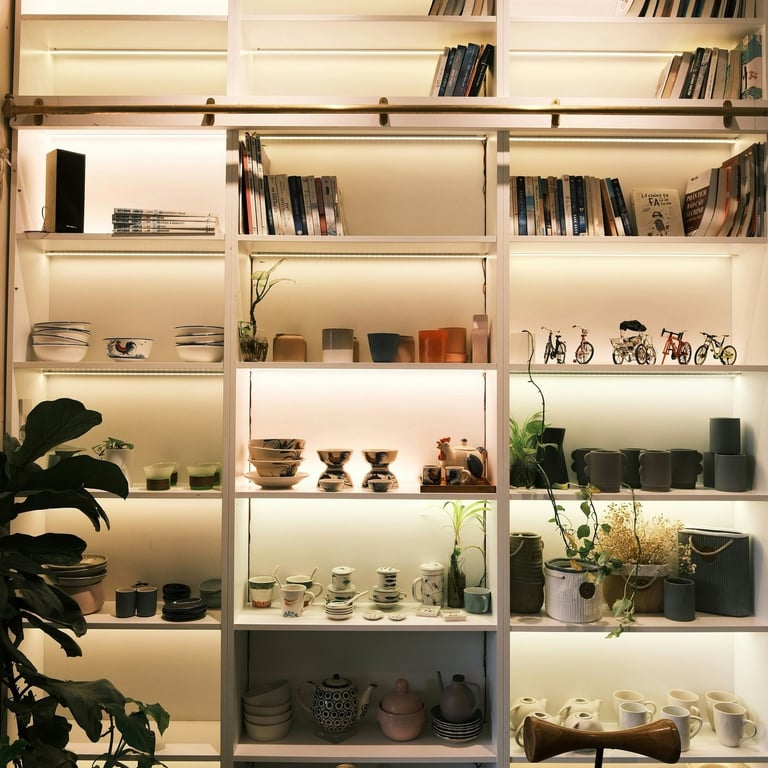
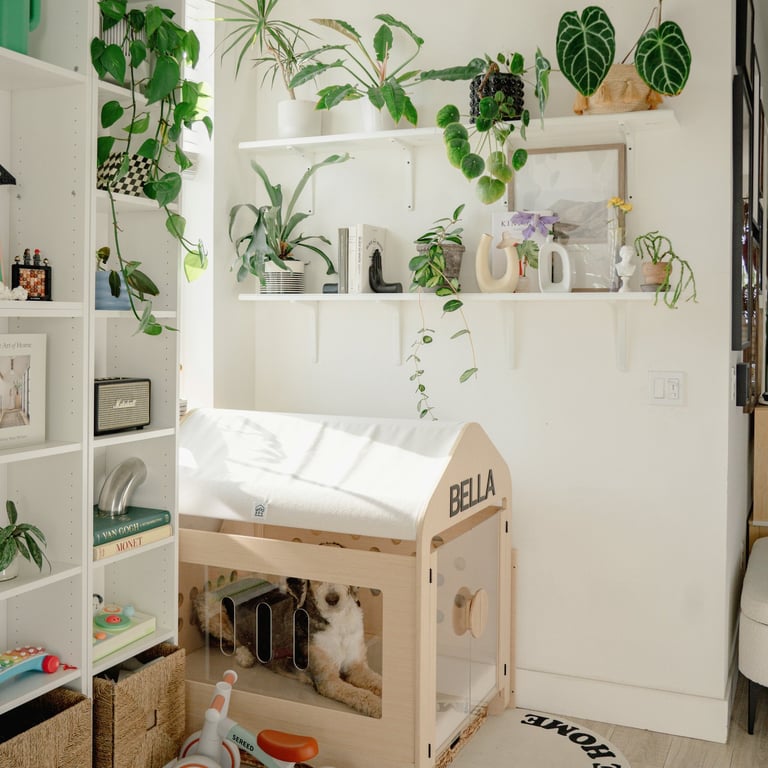
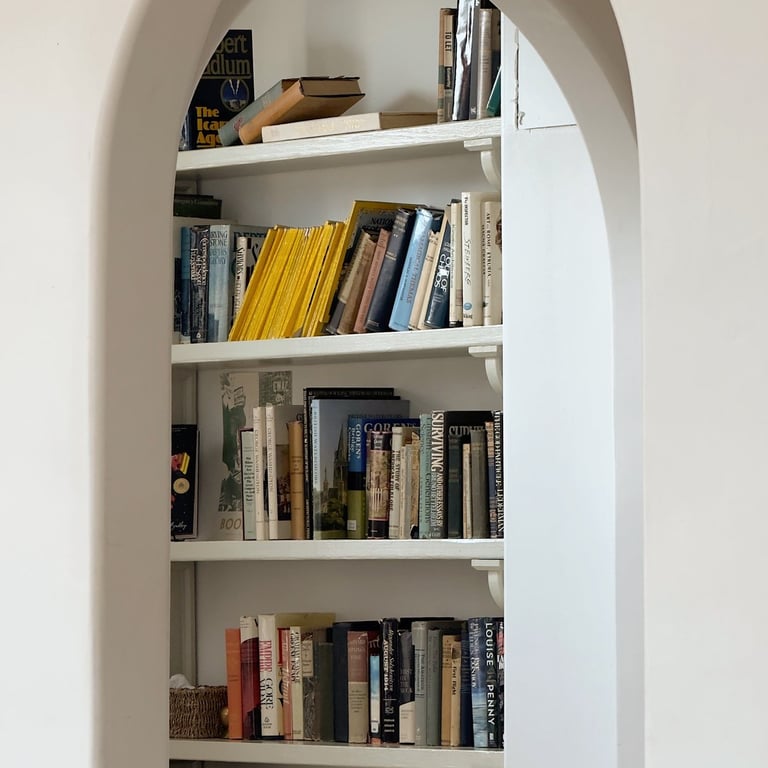
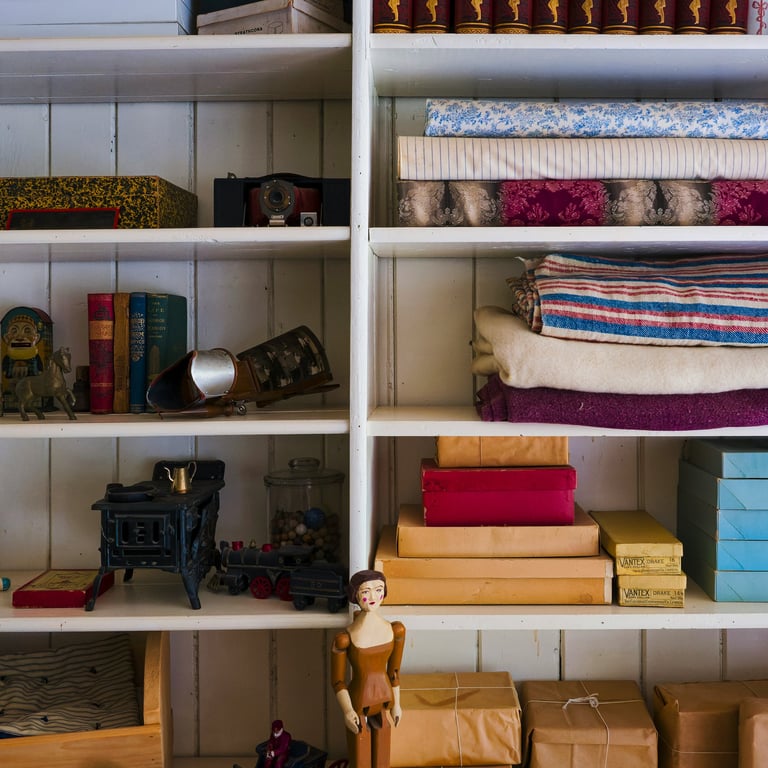
Shelves are styled edge to edge with no breathing room
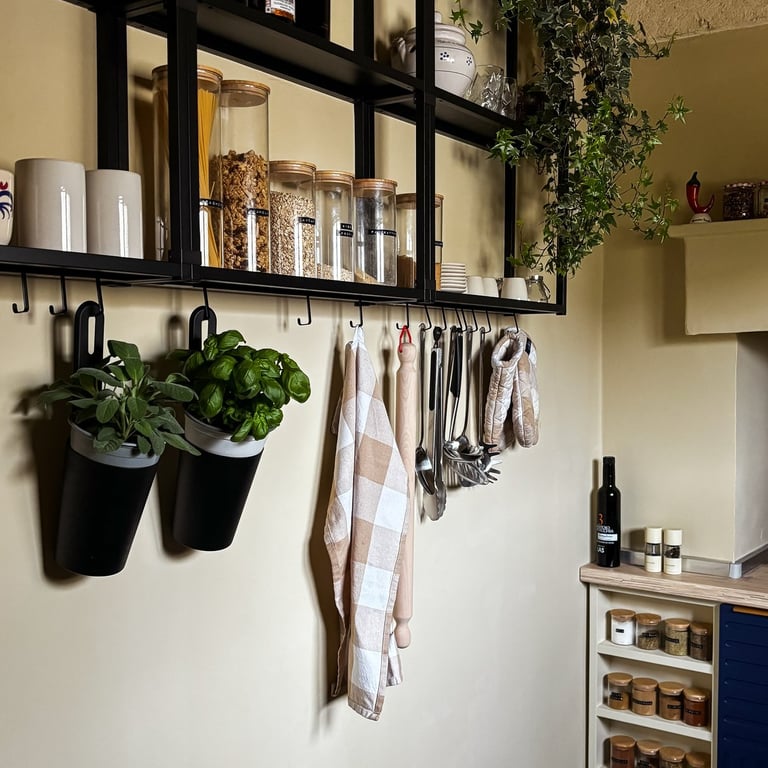
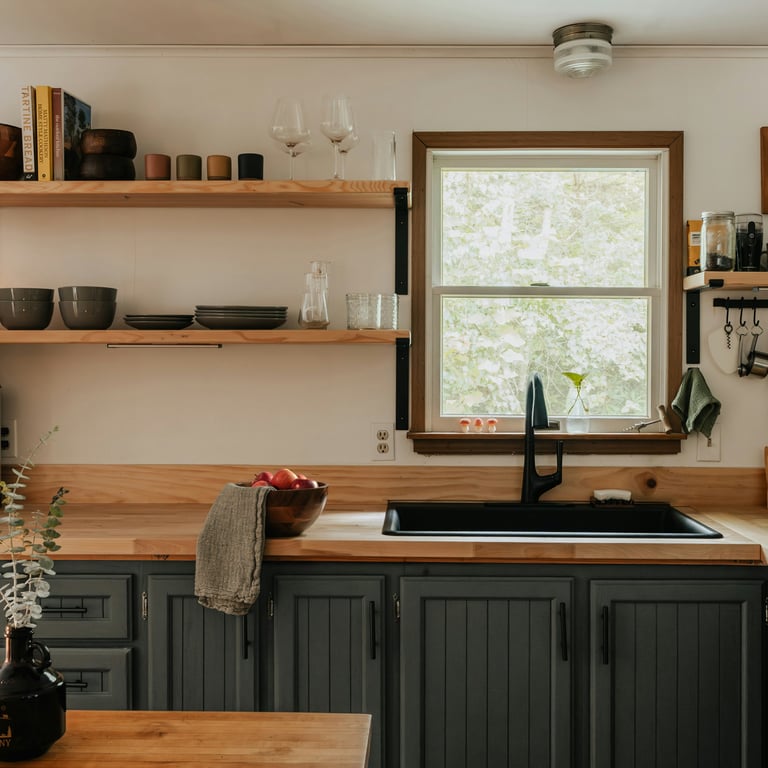
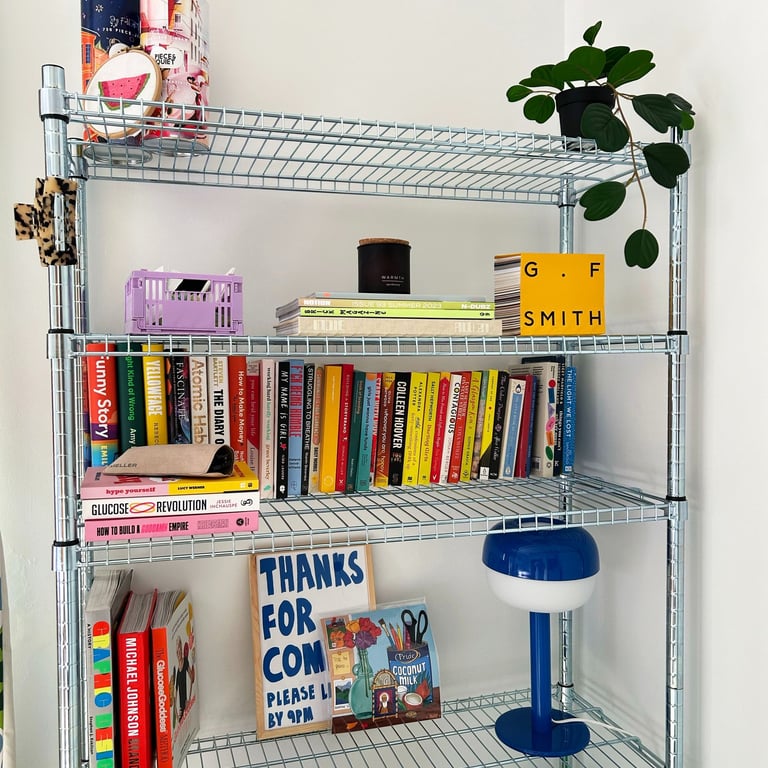
Open storage is used everywhere
Decor and everyday items all compete for attention
Even minimalist homes can feel visually noisy if everything is visible all at once.
A helpful way to think about it: When you walk into a room, your eye should land somewhere calm first. If every surface is asking for attention, the space will naturally feel busy, no matter how pretty the pieces are.
Why Storage Bins Don’t Always Fix the Problem
Storage bins are often the first thing we reach for and they can help, but they’re not a solution on their own. Storage becomes part of the problem when:
It’s added before editing what you own
Too many small containers create more categories
Clear containers add visual noise
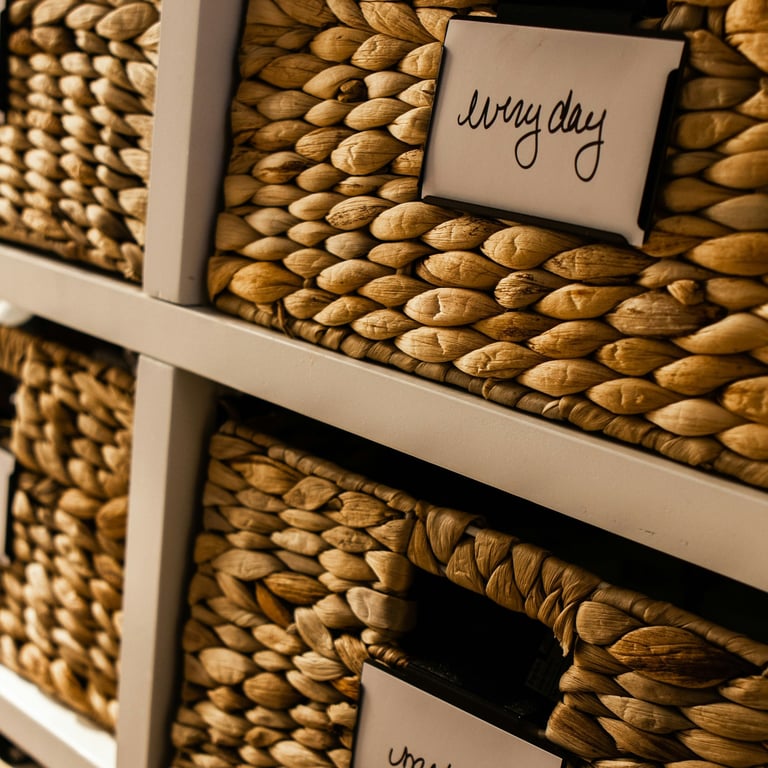
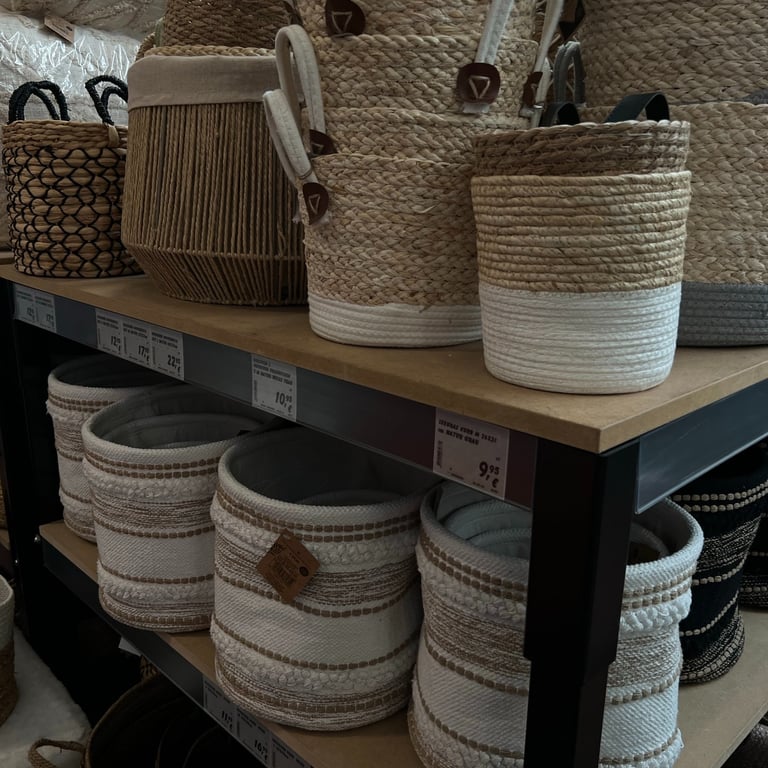
Decorative baskets become just another decor
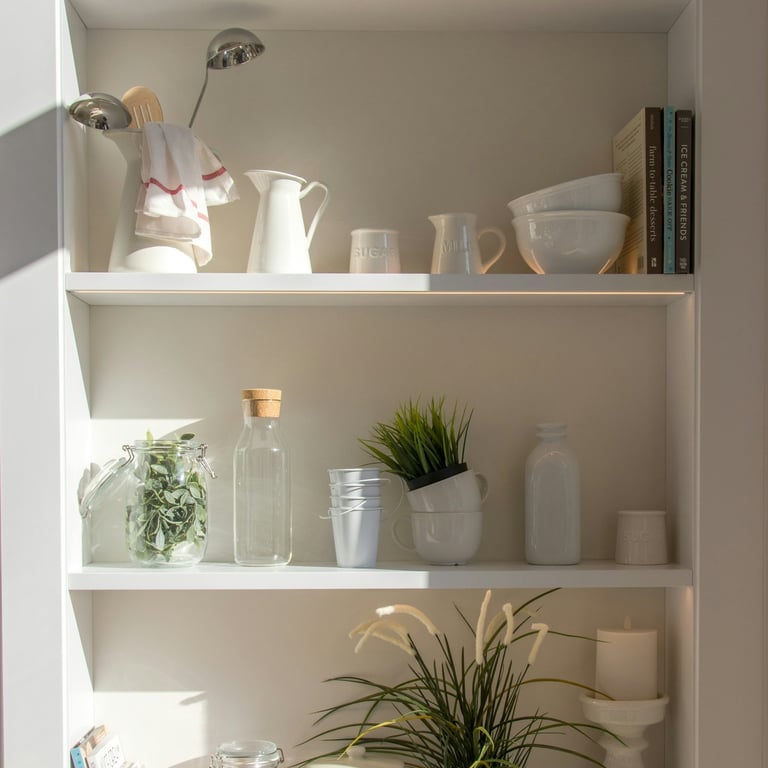
In calm, neutral homes, storage works best when it blends in. That usually means:
Fewer containers, but larger ones
Closed storage in busy areas
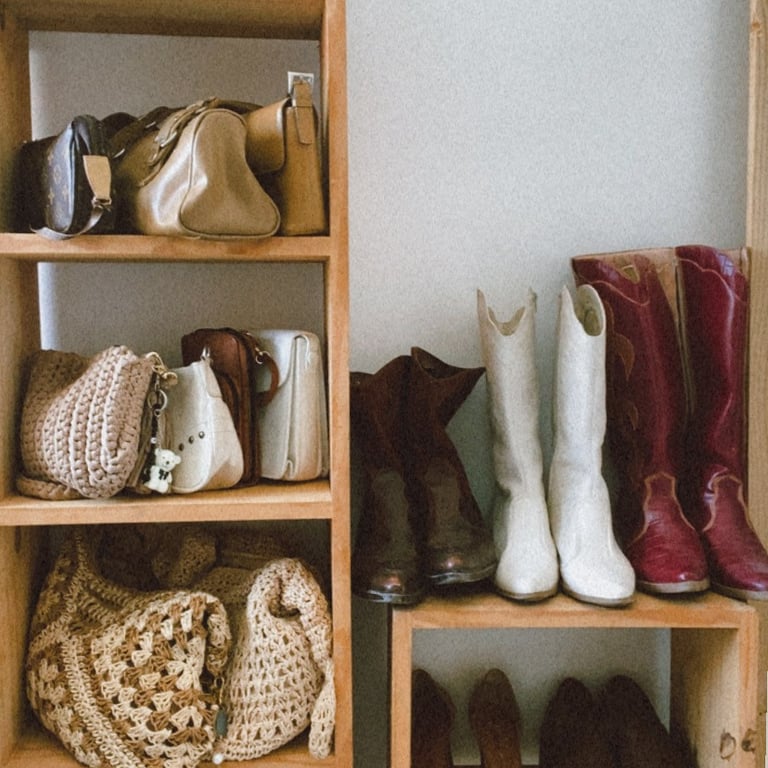
Natural materials like wood, fabric, or ceramic
Storage that matches the scale and style of the room
Good storage doesn’t stand out. It quietly supports the space.
Organizing Around Your Daily Life
The most beautiful organizing systems often fail because they’re built for an ideal version of life, not real habits. A calm home works with the way you already live. Instead of asking how a space should function, ask:
Where do things naturally land when you come home?
What do you reach for every day?
Which areas constantly feel out of control?
These are clues, not problems. Create simple zones that make everyday life easier:
A clear drop zone for keys and bags
A defined place for mail or devices
One area where daily items are allowed to stay visible
Not everything needs to be hidden. Calm comes from intention, not from pretending life doesn’t happen.
Small Organizing Mistakes That Make a Home Feel Busy
Sometimes it’s not what you own, it’s how it’s arranged. Common organizing mistakes include:
Too many categories for small items
Labeling everything
Mixing storage styles that don’t match the home
Trying to keep every surface completely clear
A calmer approach looks like this:
Group items by how often they’re used
Simplify categories instead of multiplying them
Choose storage that fits the room visually
Allow a little lived-in energy
A home doesn’t need to look perfect to feel peaceful.
Where to Start Without Feeling Overwhelmed
You don’t need a full reset or a weekend overhaul. Start small:
Clear one surface completely
Edit one drawer
Remove items before reorganizing
Pause before buying new storage
Often, the biggest change comes from editing, not adding. Give the space time. Let it tell you what it actually needs.
Final Thoughts
A calm home isn’t about having everything hidden or perfectly organized. It’s about clarity - visual, emotional, and practical.
Organizing for a calm home removes small points of friction so your space can support you instead of competing for your attention. When done thoughtfully, organizing doesn’t change how a home looks, it changes how it feels.
If your home still feels busy, the solution is rarely more decor or more storage. It’s often fewer decisions, fewer distractions, and more room to breathe. Calm isn’t something you finish. It’s something you return to, again and again, as life changes.
Stay Elevated,
The Adair Lane Team