Why Your Home Feels Almost Right (And the One Thing That Will Finally Fix It)
4/5/20266 min read
You've put real thought into your home. You've made considered choices about furniture, colors, and how things are arranged. You've decluttered. You've styled. You've moved things around more than once trying to get it right.
And it's close. It genuinely is. But something is still missing, and you can't quite put your finger on what. Not wrong, exactly. Just not finished. Like the room is one thing away from feeling the way you always imagined it would.
The instinct, as always, is to add something new. But just like we've seen with clutter and visual noise, the answer is rarely found in what's missing. This week is about identifying the specific things that make a room feel unresolved, so you know exactly what to change.
We've been working through a series of common home feelings and their real causes. If you haven't read the earlier posts, it's worth starting with why your home feels messy even when it's clean, and why your home feels busy even when it's tidy. This week is about something different: the almost-right feeling, and why it tends to linger no matter what you try.
What 'Almost Right' Actually Means
A home that feels almost right is not a home that needs more. It's a home that's missing intention in one or two specific places.
The almost-right feeling usually comes from one of three things: a room that has no clear anchor, a space where the scale of objects is slightly off, or a home that has been styled without a consistent thread running through it.
None of these are dramatic problems. They don't require a renovation or a significant budget. But they do require knowing what you're looking for, because the almost-right feeling is subtle, and it tends to make people reach for the wrong solution.
The Three Reasons Your Home Feels Almost Right
1. There is no anchor
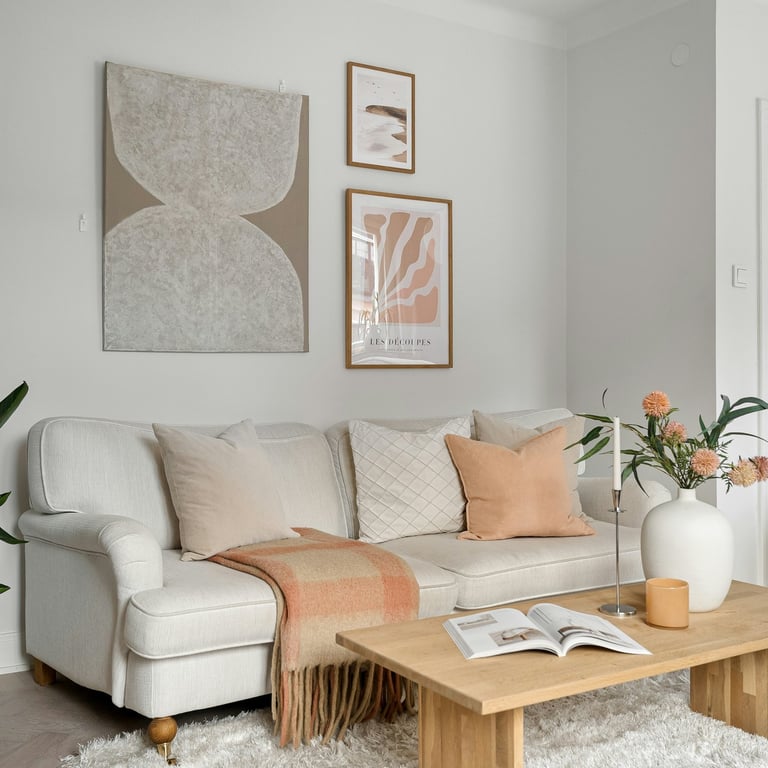
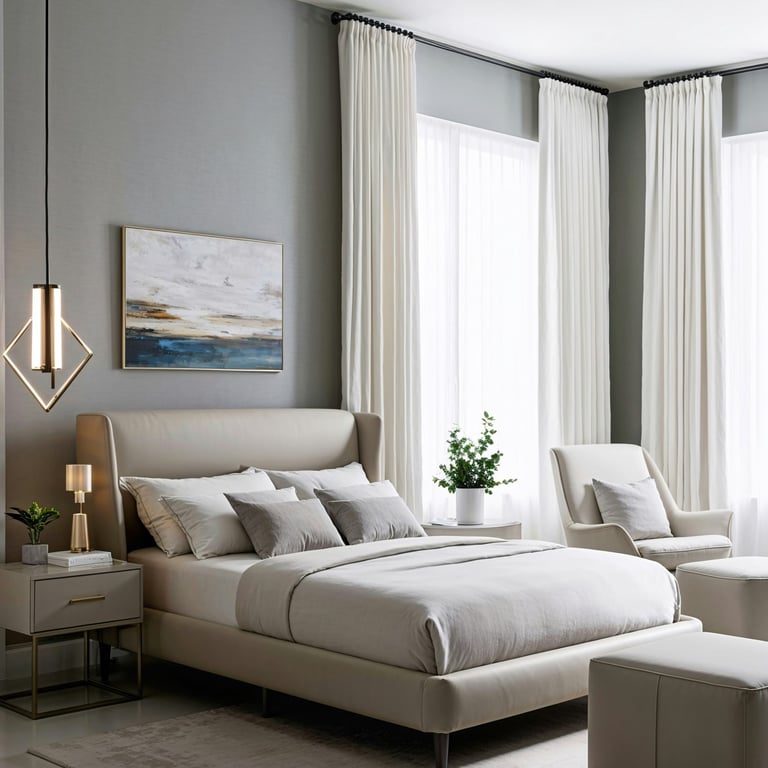
An anchor is the piece in a room that everything else organizes itself around. It's usually the largest or most visually significant element: a sofa, a bed, a dining table, a large piece of art. When a room has a clear anchor, the rest of the space feels settled. When it doesn't, the room feels like a collection of individual pieces that haven't quite decided to belong together.
A common version of this: a living room where the furniture is arranged practically rather than around a focal point, so there's no obvious place for the eye to land and rest. Everything is fine, but nothing feels grounded.
The fix is not to buy a new anchor. It's to identify what should be the anchor in the room you already have, and then arrange everything else in relation to it. Move the sofa to face the fireplace or the window. Hang the art at eye level directly above the piece it belongs with. Create the relationship that makes the anchor read as the center of the room.
2. The scale is slightly off
Scale is one of the most overlooked reasons a room feels almost right but not quite. When the proportions of objects don't relate well to each other or to the space itself, things feel slightly uncomfortable without the reason being obvious.
Common scale problems include a rug that is too small for the furniture sitting on it, making the seating area feel unanchored. A piece of art that is too small for the wall it's on, making the wall feel bare even when it isn't. A lamp that is too short or too tall for the scale of the room. Cushions that are too small for the sofa they're sitting on.
These are not expensive problems to fix, but they do require replacing or repositioning rather than adding. A correctly sized rug, where at least the front legs of all main furniture pieces sit on it, changes the feeling of an entire room. Art hung at the right height and sized appropriately for the wall can make a room feel finished almost instantly.
If you're looking for the right rug size, here are some options worth exploring:
3. There is no consistent thread
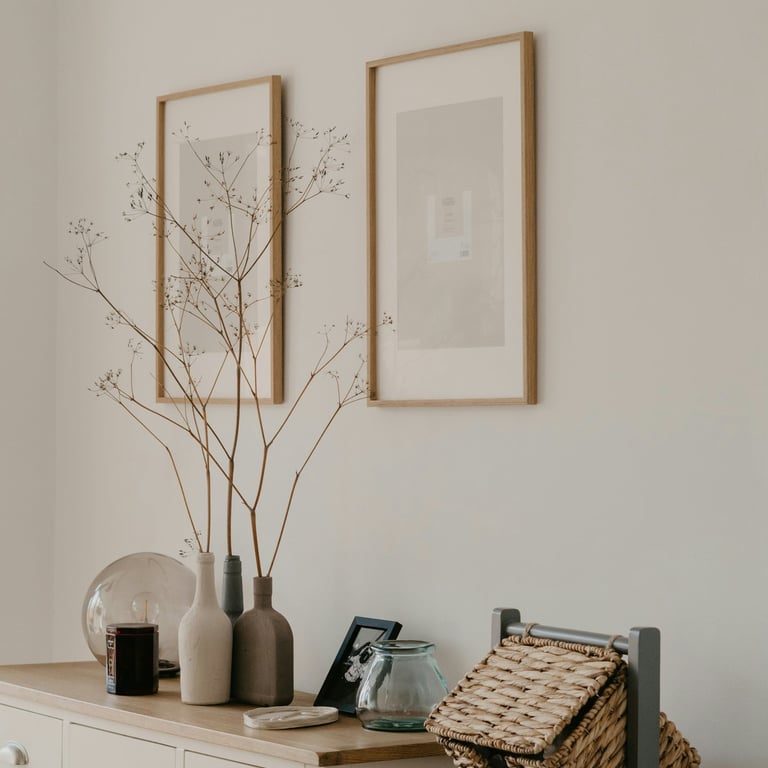
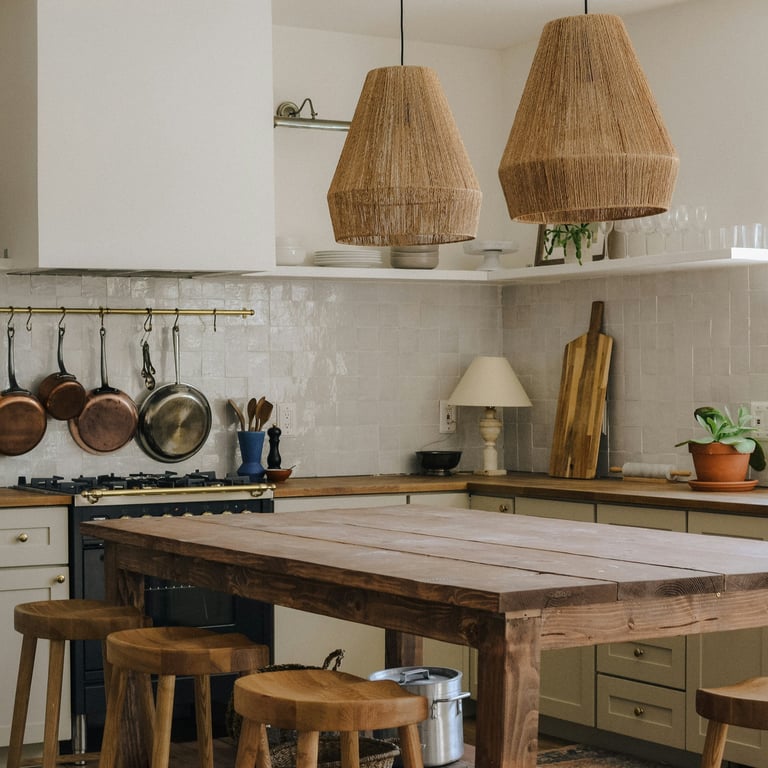
A consistent thread is what gives a home its sense of identity. It might be a repeated material, a color that appears across several rooms, a recurring shape, or a particular finish that ties objects together. Without a thread, a home can feel like it has been decorated in phases, each one slightly disconnected from the last.
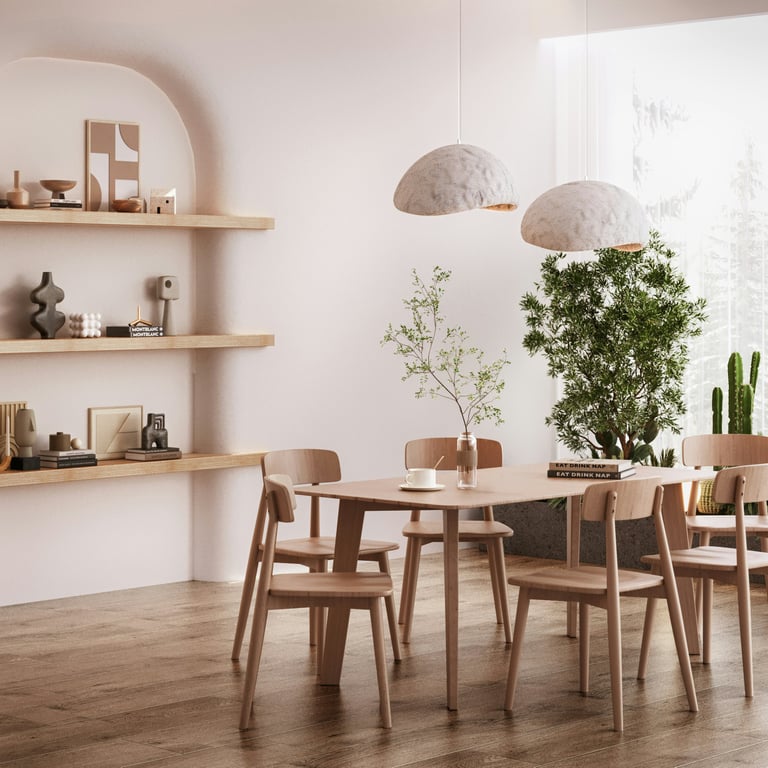
The thread doesn't need to be obvious. It might be as simple as warm-toned wood across your furniture, or ceramic and linen as your two recurring materials, or keeping all your metal finishes in the same family. When the thread exists, a room feels curated. When it doesn't, it feels assembled.
Some easy ways to introduce a repeated material:
How to Find What Your Room Is Actually Missing
Before you buy anything, spend five minutes doing this.
Stand in the doorway of the room that feels almost right and look at it with fresh eyes. Ask yourself three things:
Where does my eye go first, and is that where I want it to go?
Does the size of everything in this room feel right relative to the space and to each other?
If I had to describe the thread running through this room in one word, what would it be?
If you struggle to answer the third question, that's usually your answer. The room doesn't have a thread yet, and that's what's making it feel unresolved.
If the first question reveals that your eye goes somewhere unimportant, like a lamp cord or a cluttered corner, that competing element is likely pulling attention away from your intended anchor.
If the second question makes you look more carefully at your rug or your art and something feels slightly off, trust that instinct. Scale problems are often felt before they're seen.
How to Start Fixing It Today
Work through these in order. Each one builds on the last.
Establish the anchor first
Identify the most significant piece in the room and build outward from it deliberately. Arrange everything else so it faces, supports, or relates to that piece. Once the anchor is clear, the room has a center of gravity and the rest of the decisions become easier.[
Fix scale before adding anything new
If your rug is too small, address that before buying new decor. If your art is too small for the wall, consider grouping pieces or replacing with something appropriately sized before adding more around it. Getting scale right is more impactful than any styling addition you can make.
For wall art sized for the wall:
Choose your thread and repeat it
Pick one material, one finish, or one color family and make sure it appears at least three times in the room. Warm wood, brushed brass, linen, matte ceramic — it doesn't matter what it is, as long as it's consistent. That repetition is what transforms a room from assembled to intentional.
Edit before you add
Once you've identified your anchor, fixed your scale, and chosen your thread, look at what's in the room that doesn't support any of those three things. Remove it, at least temporarily. The room will almost certainly feel more finished with less in it, not more.
You don't need to fix everything at once. Pick the one question from the doorway exercise that felt most relevant and start there. Most of the time, that single change is enough to make the room feel like it finally clicked.
A Checklist for the Almost-Right Room
Save this for the next time a room feels close but not quite there:
Is there a clear anchor, and is everything else arranged in relation to it?
Is the rug large enough for the furniture sitting on or near it?
Is the art on the walls sized appropriately for the walls they're on?
Is there one material, finish, or color that appears at least three times in the room?
Is there anything in the room that doesn't support the anchor, the scale, or the thread?
Work through these five questions before purchasing anything new. Most of the time, the answer is already in the room.
Final Thought
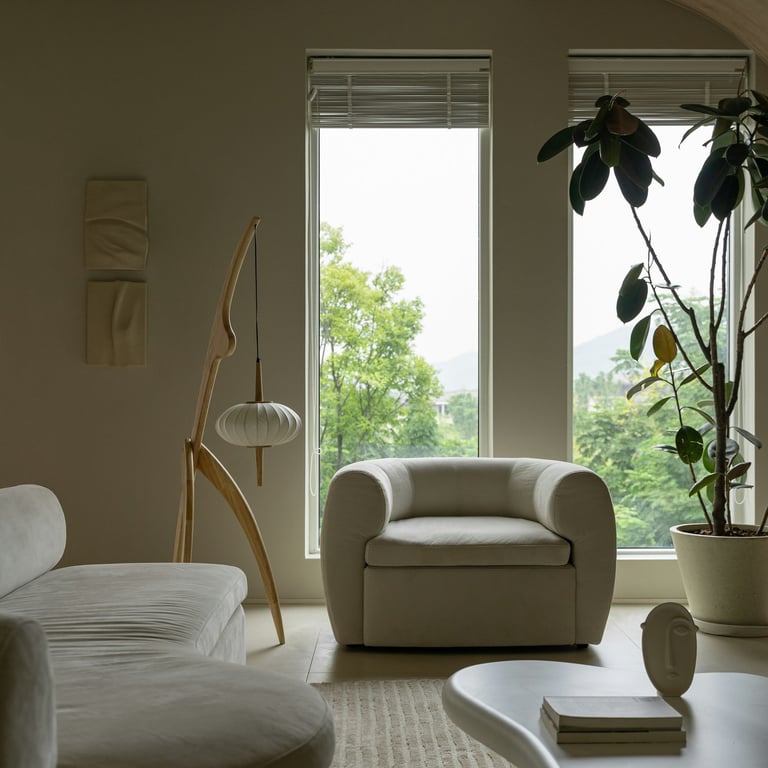
When a room finally feels right, it's a quiet shift. You stop noticing the space and start noticing how you feel in it. It stops asking for your attention in that low-level, nagging way and simply feels settled.
That's the difference between a room that's been decorated and one that's been resolved. It doesn't require perfection or a bigger budget. It requires intention, and intention is mostly free.
Next week, we'll look at why your home doesn't feel cozy, and why the things most people buy to fix it tend to make it worse.
Stay Elevated,
The Adair Lane.