Why Your Home Never Feels Cozy (Even When You've Tried Everything)
4/12/20269 min read
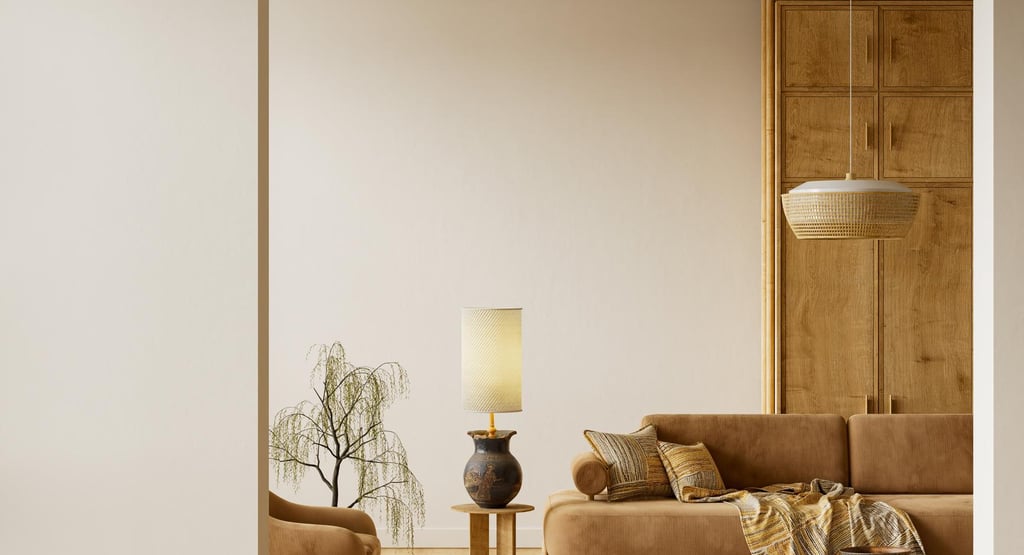
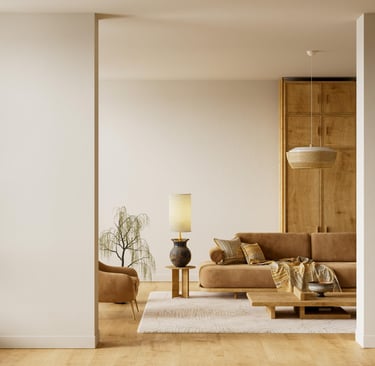
The candles are lit. There's a throw on the sofa, cushions you chose carefully, a diffuser running in the corner. You've done everything the internet told you to do. And it still doesn't feel cozy.
Not cold exactly. Not uncomfortable. Just neutral. Like the room is pleasant enough but not warm. Like it could belong to anyone.
If you've been trying to make your home feel cozier for a while and the feeling keeps eluding you, this post is for you. Because the problem almost certainly isn't what you've been buying. It's what you've been missing.
This is the final post in our four-part series on why your home feels the way it does. We've covered why your home feels messy even when it's clean, why it feels busy even when it's tidy, and why it feels almost right but never quite finished. This week we're looking at the last and perhaps most searched feeling of all: why your home never feels cozy, even when you've genuinely tried.
What Cozy Actually Means
Cozy is not an aesthetic. It's a physical and emotional response to a space.
A room feels cozy when it feels human-scaled, warm-toned, layered with texture, and in some way personally yours. It's the feeling of being held by a space rather than simply existing in it. Of a room that feels like it was made for living in, not just for looking at.
Most cozy home content online sells the look of cozy. Candles, throws, cushions, warm lighting in photographs. And those things can contribute to the feeling. But they don't create it on their own, and that's why so many people buy them and still feel nothing has changed.
Cozy is a feeling that comes from the bones of a room - its light, its scale, its materials, its sense of personal presence. Without those things in place, no number of candles will make a space feel warm.
Why the Usual Fixes Don't Work
The candle fix. The throw fix. The cushion fix. The wax melt, the diffuser, the faux fur rug.
These are all responses to the symptom rather than the cause. They add cozy objects to a room without addressing what's making the room feel cold in the first place. And layering comfort items on top of an unresolved space is a little like putting a warm coat over a room that has a draught - it helps slightly, but the cold is still coming in.
Just as we saw in the earlier posts in this series, the instinct to fix a home feeling by adding more almost always misses the point. A room that feels messy isn't fixed by organizing more. A room that feels busy isn't fixed by adding softer objects. And a room that feels cold isn't fixed by adding cozy things on top of an unresolved space.
The fix starts earlier than the shopping trip. It starts with understanding what's actually creating the cold feeling, and there are five things that do it more than anything else.
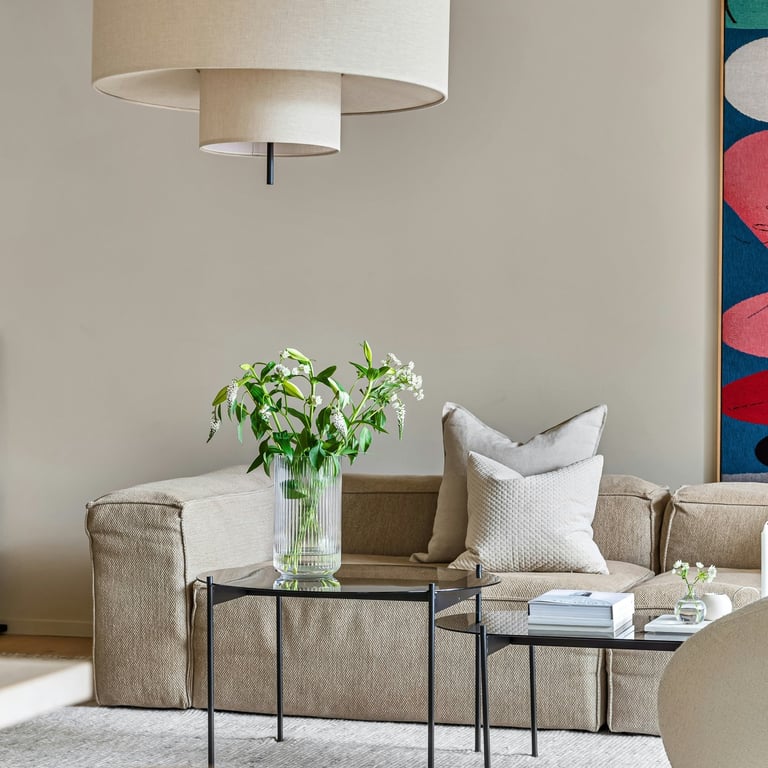
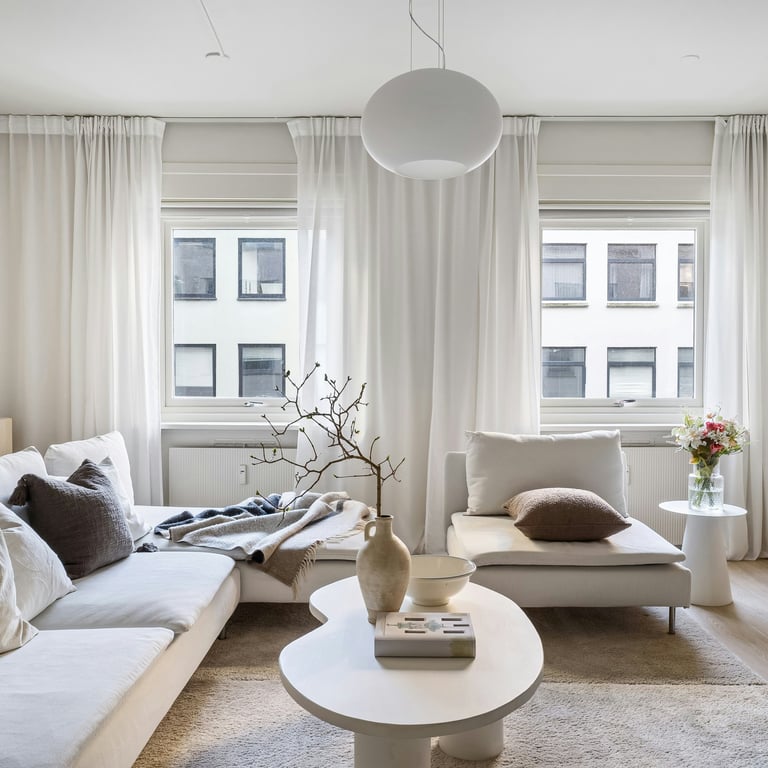
5 Reasons Your Home Never Feels Cozy
1. The light is wrong
This is the single biggest cozy killer and the one most people overlook entirely.
Overhead lighting - the standard ceiling light that most homes rely on - creates a flat, clinical quality in a room that no amount of soft furnishings can fully counter. It lights everything equally, which removes shadow, depth, and warmth. It makes a room look functional rather than felt.
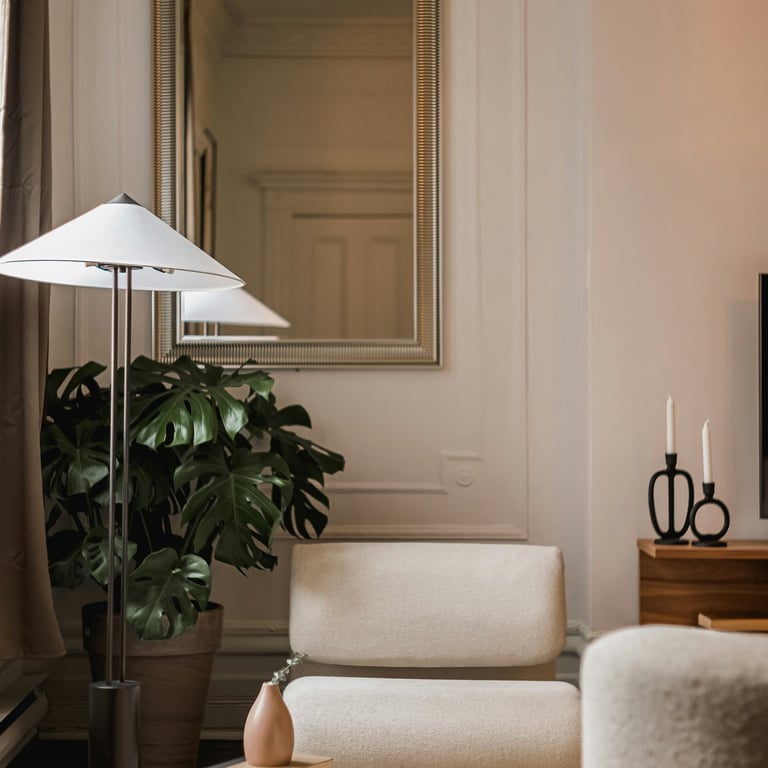
Cozy light is warm, low, and layered. It comes from multiple sources at different heights: a floor lamp in a corner, a table lamp beside the sofa, a small light on a shelf or sideboard. It creates pools of warmth rather than flooding the room with even brightness. It casts shadows, which gives a room depth and dimension.
If you change nothing else in a room, changing the light will have the most immediate impact on how cozy it feels. Turn off the overhead light and replace it with two or three warm light sources at different heights. The room will feel different within seconds.
Amazon - Warm White LED Bulbs
The fastest, cheapest fix for lights - swap cool bulbs for warm ones.Amazon - Floor Lamps Warm Light
Wide range of products, good price points, fast shipping.Amazon - Table Lamps for Living Room
Ceramic base options with linen shades perform well aesthetically and on price.West Elm - Floor and Table Lamps
Premium and design-led options that align with your home aesthetic.Wayfair - Table and Floor Lamps
Huge selection at every price point.
2. The scale is too large or too sparse
Cozy requires a sense of enclosure. Of a space that feels sized for a person rather than a room.
Very large rooms, very high ceilings, and rooms with too little furniture or too few objects create an exposed feeling that is the opposite of cozy. There is nowhere for the eye to settle, no sense of being held by the space.
This doesn't mean filling a large room with more furniture. It means creating zones within it: a reading corner defined by a rug and a lamp, a sofa arrangement that faces inward toward a coffee table rather than outward toward empty space. Breaking a large room into smaller, human-scaled areas is what creates the sense of enclosure that cozy depends on.
In smaller rooms, the opposite problem can occur. Too little in the room makes it feel sparse rather than minimal. A single sofa in an otherwise empty room doesn't feel cozy. It feels exposed. Adding a rug beneath it, a lamp beside it, and a low side table next to it immediately changes the feeling.
3. There is no warmth in the materials
Cool materials create cool rooms, regardless of how they're styled.
Chrome finishes, glass surfaces, cold-toned colors, hard floors without rugs, and smooth synthetic fabrics all contribute to a room that looks clean and styled but feels distant. They're beautiful in photographs and slightly uncomfortable to live in.
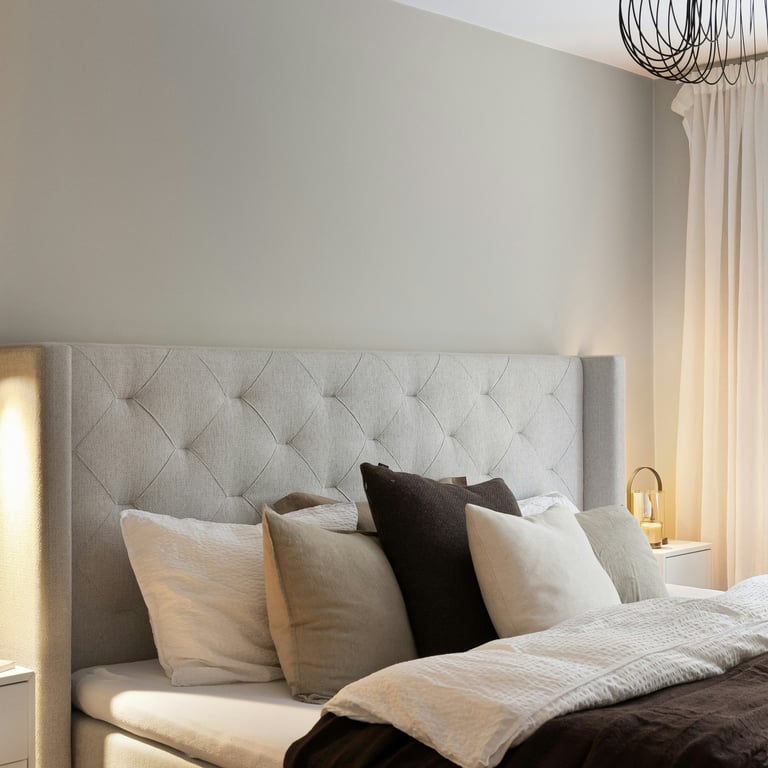
Warmth in a room comes from materials that are warm to the touch and warm to the eye: wood, linen, wool, ceramic, natural stone, rattan. These materials have texture and variation that the eye reads as warm, and they feel different under your hand than a glass or chrome surface does.
You don't need to replace your furniture. Adding warmth through materials can be as simple as a wool throw, a jute rug, a wooden tray on a glass coffee table, or swapping a chrome lamp for a ceramic one. Each of these small changes shifts the material temperature of the room toward warmth.
Wayfair - Wool Blankets and Throws
Well-curated selection including Pendleton and natural wool options in neutral tones.Etsy - Wool Throws
Handmade merino options, ships worldwide, aligns with home aesthetic.Amazon - Wool Throws Neutral
Budget-friendly entry point, wide selection.
4. The room doesn't feel personal
A room that could belong to anyone doesn't feel cozy to the person living in it.
This is the element that cozy home content almost never talks about, because it can't be purchased. Cozy requires something of you in the space. A book you're actually reading left on the coffee table. A photograph that means something. An object you brought back from somewhere. A plant you've kept alive for two years.
Showroom-perfect rooms are beautiful and completely without warmth, because warmth requires evidence of a life being lived. Not clutter, not the chaos we looked at in Week 1, but deliberate personal presence. The sense that someone specific lives here and that the space reflects them.
One personal object per room is enough to change the feeling. It doesn't need to be on display as decor. It just needs to be there, genuinely, as something that belongs to you rather than to the idea of a styled home.
5. There is no gathering point
Cozy happens around something.
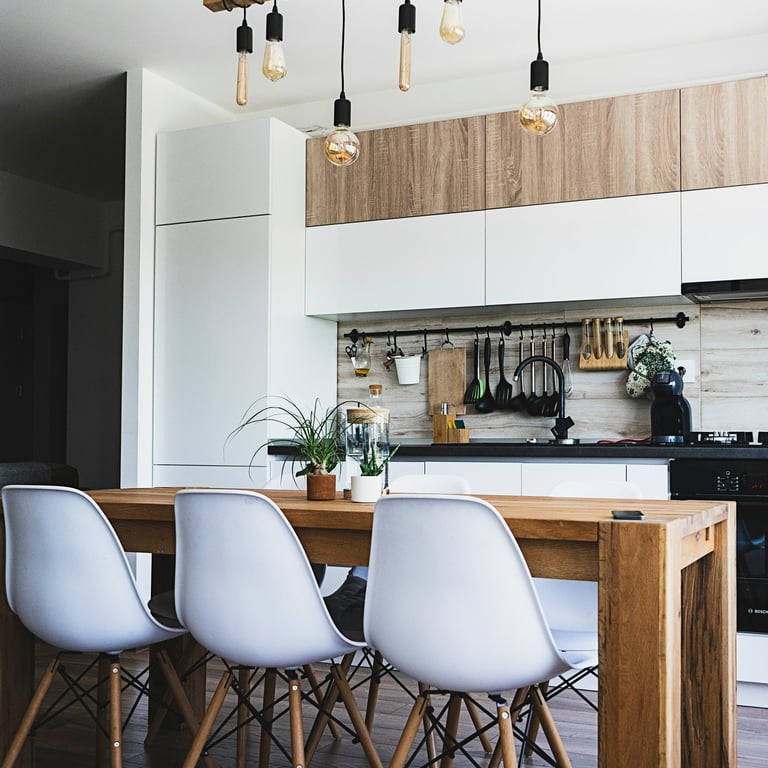
A fireplace. A coffee table with seating arranged toward it. A window seat. A reading chair with a lamp beside it. A kitchen table that people actually sit at. Cozy is almost always a social feeling, even when you're alone. It's the feeling of a space that invites you to settle, to stay, to gather.
A room without a clear gathering point feels like a passthrough. Somewhere to walk across rather than somewhere to be. Even if the furniture is beautiful and the materials are warm and the light is right, a room that has no obvious place to gather lacks the quality that makes cozy feel complete.
Identify the natural gathering point in each main room, or create one deliberately, and arrange everything else to support it. Clear the area around it. Make it obvious. Make it inviting. That single decision changes how the whole room feels to inhabit.
How to Fix It Without Starting Over
Fix the light first, always
Before anything else, address the lighting. Turn off your overhead light and introduce two warm light sources at different heights. This costs less than most home decor purchases and makes more difference than almost all of them. Warm white bulbs, a floor lamp in a corner, a table lamp beside wherever you sit most often. Start here and assess everything else after.
Bring the scale down
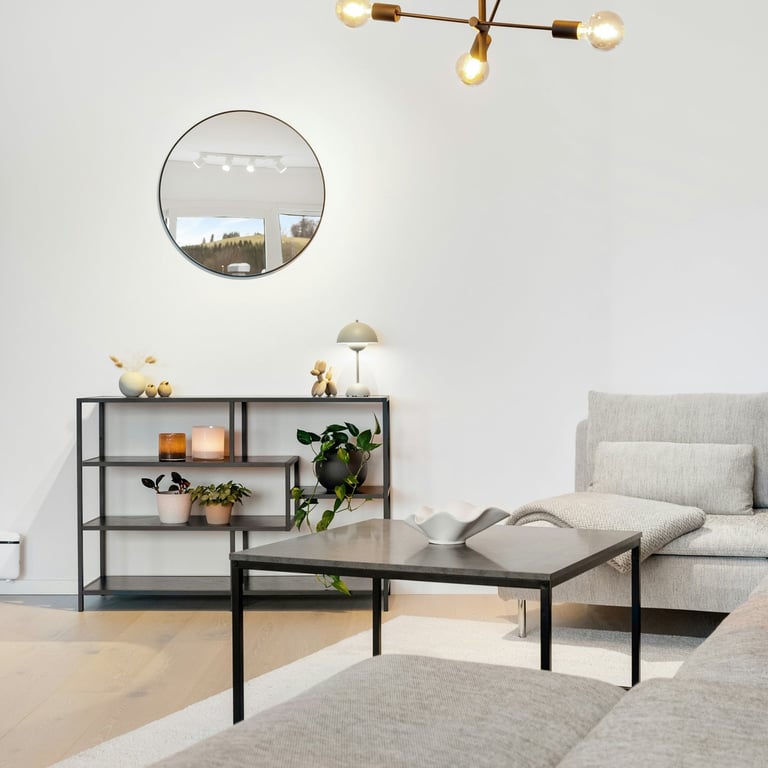
If your room feels too large or too exposed, create a zone rather than trying to fill the whole space. A rug defines the boundary. A lamp marks the edge. A low side table anchors a corner. You're not decorating the room. You're creating a room within the room, sized for a person rather than a space.
Revival Rugs - Living Room Rugs
Handwoven, artisan options with warm earthy tones.Rugs USA - Area Rugs
Affordable, frequently on sale, large selection of warm neutral tones.AllModern - Area Rugs
Mid-range, well-curated, Great for someone who want reliable quality.
Introduce warmth through materials
Choose one cold material in the room and introduce its warmer counterpart nearby. A glass coffee table gets a wooden tray on top of it. A chrome lamp gets replaced with a ceramic one. A smooth synthetic cushion gets swapped for a linen or wool one. You don't need to change everything. One material shift at a time moves the room toward warmth.
West Elm - Jute & Natural Rugs
Jute and wool blends in warm neutrals, ethically handcrafted.Amazon - Neutral Ceramic Vases
Matte ceramic sets in neutral tones, affordable, beautifully matching warm tones.West Elm - Ceramic Home Accessories
Higher end, design-forward products
Add one personal element
Choose one object in the room that is genuinely yours, not purchased as decor, but meaningful in some way. Place it somewhere visible. It doesn't need to be prominent. It just needs to be present. That single element shifts a room from styled to inhabited, and inhabited is the foundation of cozy.
Create or clear your gathering point
Identify where people naturally settle in the room, or where you would like them to. Arrange the furniture toward it. Clear the area immediately around it of anything that doesn't belong. Make it the obvious center of the room's gravity. Everything else in the room should support this point quietly, not compete with it.
The 5-Minute Cozy Reset
For the next time your home feels cold and you want an immediate shift:
Turn off every overhead light in the room
Turn on at least two warm light sources at different heights
Add one layer of soft texture: a throw over the sofa, a cushion on the chair, a wool blanket nearby
Remove one object that feels cold, clinical, or impersonal
Sit in the room for five minutes before deciding anything else needs to change
This reset costs nothing and consistently shifts how a room feels. Not because you've solved the deeper issues, but because you've moved the room toward warmth, and from there the other changes become clearer.
Save This: Cozy Home Rules That Actually Work
Warm light always over overhead light - layer it at different heights
At least one soft texture per main surface
One warm material introduced for every cool one
One personal object per room that couldn't belong to anyone else
A clear gathering point in every main space
Human-scaled zones in larger rooms rather than trying to fill the whole space
Work through this list before buying anything new and most of the changes it points to cost nothing at all.
Final Thought
Cozy isn't something you buy. It's something you create by understanding what actually makes a space feel human.
It starts with light. It deepens with warm materials. It settles into place when the scale feels right and there's a point to gather around. And it becomes yours the moment something personal is present in the room.
None of those things come from a shopping cart. They come from paying attention to how your space actually feels, and making small, deliberate changes in response to what you find.
A Note on This Series
This is the final post in our four-part series on why your home feels the way it does.
We started with the messy feeling - the sense that your home feels cluttered even when it's been cleaned. We moved to the busy feeling - visual noise that makes a tidy room feel overwhelming. Then the almost-right feeling, the frustrating sense of incompleteness that no amount of styling seems to resolve. And finally, this week, the cold feeling - a home that looks right but never quite feels warm.
Each of these feelings has a specific cause. And in every case, the answer was the same: not more, but better. Not addition, but intention.
If you're not sure where to start, go back to whichever feeling resonated most and begin there. A calm, cozy, resolved home isn't built all at once. It's built one feeling at a time.
Stay Elevated,
The Adair Lane.